

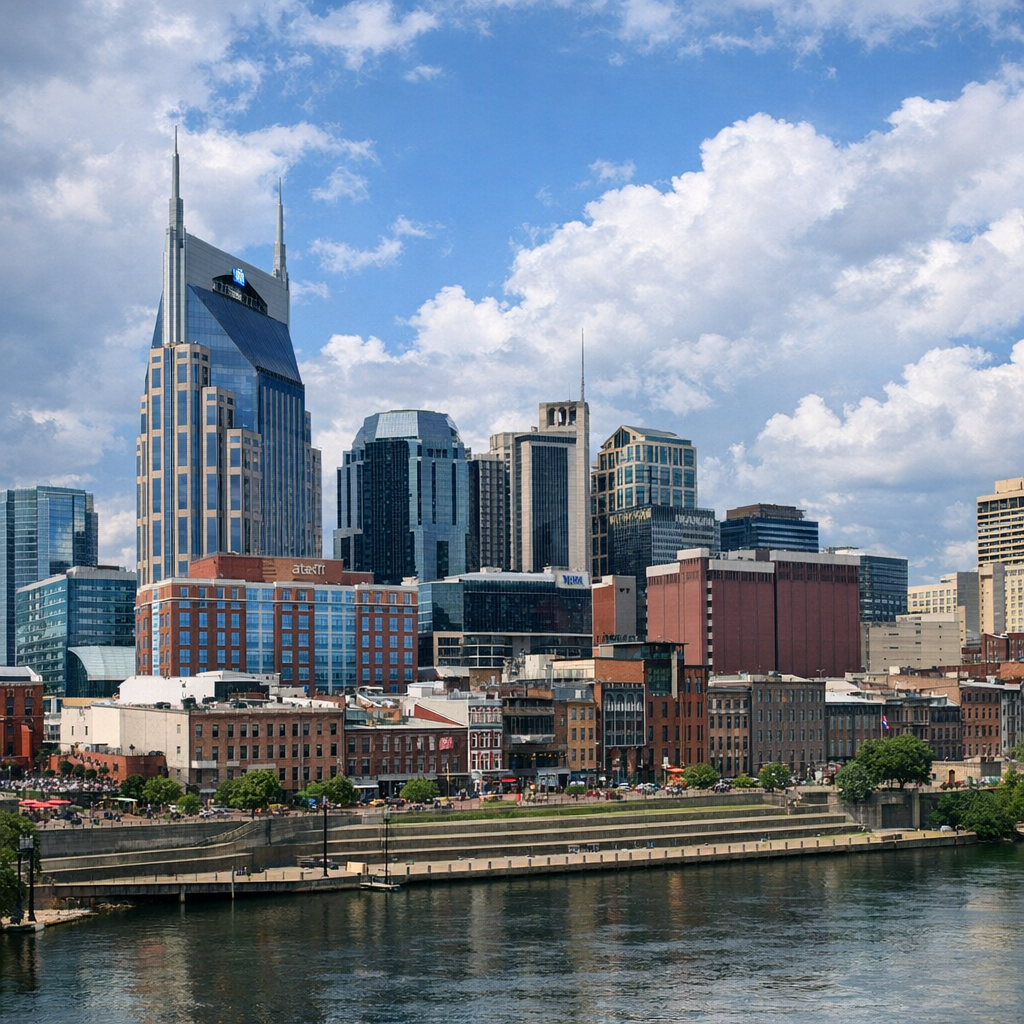
Nashville, Tennessee, experiences a humid subtropical climate characterized by hot, humid summers and mild to cool winters. This climate brings a variety of weather patterns and environmental challenges that residents should be aware of.
Seasonal Weather Patterns
Summer
Summers in Nashville are typically hot and humid, with average high temperatures in July reaching around 89°F (31.3°C). The city often experiences heat waves during this season, which can pose health risks, especially to vulnerable populations.
Winter
Winters are generally mild, with average low temperatures in January around 30.6°F (-0.8°C). However, occasional cold snaps and winter storms can occur, leading to icy conditions and potential disruptions.
Precipitation
Rainfall is distributed fairly evenly throughout the year, with July typically being the wettest month, averaging 4.02 inches (102mm) of precipitation. However, the intensity of rainfall events has been increasing, leading to a higher risk of flash flooding.
Environmental Challenges
Urban Heat Islands
Urban areas in Nashville tend to be hotter than surrounding rural areas due to the abundance of buildings and concrete, a phenomenon known as the Urban Heat Island effect. This effect is intensified in areas with little vegetation, making certain neighborhoods more susceptible to extreme heat.
Flooding
The combination of increased rainfall intensity and urban development has heightened the risk of flooding in Nashville. The city’s location in the Cumberland River basin makes it particularly vulnerable to flood events, which can cause significant damage to infrastructure and homes.
Community Initiatives
To address these challenges, Nashville has developed the Climate Adaptation and Resilience Plan (CARP), focusing on the city’s main climate hazards, including flooding, extreme heat, and severe storms. The plan aims to inform future investments and programs to enhance the city’s resilience.
Additionally, the city conducted a heat mapping campaign to identify the warmest and coolest neighborhoods, helping to inform heat mitigation efforts and address the inequitable distribution of urban heat risk.
Understanding Nashville’s climate and the associated environmental challenges is crucial for residents to prepare and adapt to changing conditions. Staying informed and participating in community initiatives can help build a more resilient Nashville.