

By William Thompson
Nashville’s weather has long been warm, humid, and prone to summer storms. But in recent years, homeowners, neighborhoods, and city planners have noticed changes that go beyond the norm — longer stretches of heat, uneven distribution of green cover, and growing risks tied to extreme weather. In this piece, we’ll explore what’s driving Nashville’s changing climate, its effects, and what’s being done locally to adapt.
What the Data Shows
Between 1970 and 2026, Nashville’s average summer temperatures have climbed by about 3–3.5°F. This means more days with highs in the 90s, nights that stay muggy, and peak summer heat that’s hard to escape. There’s also a noticeable increase in the number of humid, oppressive heat days — the kind that makes routine outdoor work or errands feel exhausting.
Precipitation patterns are shifting, too. Nashville has seen heavier rainfall in bursts, especially in the summer months. These downpours magnify risks of flash flooding. At the same time, autumns have begun to feel drier than in past decades, affecting plant cycles and soil moisture.
Why Heights and Green Spaces Matter
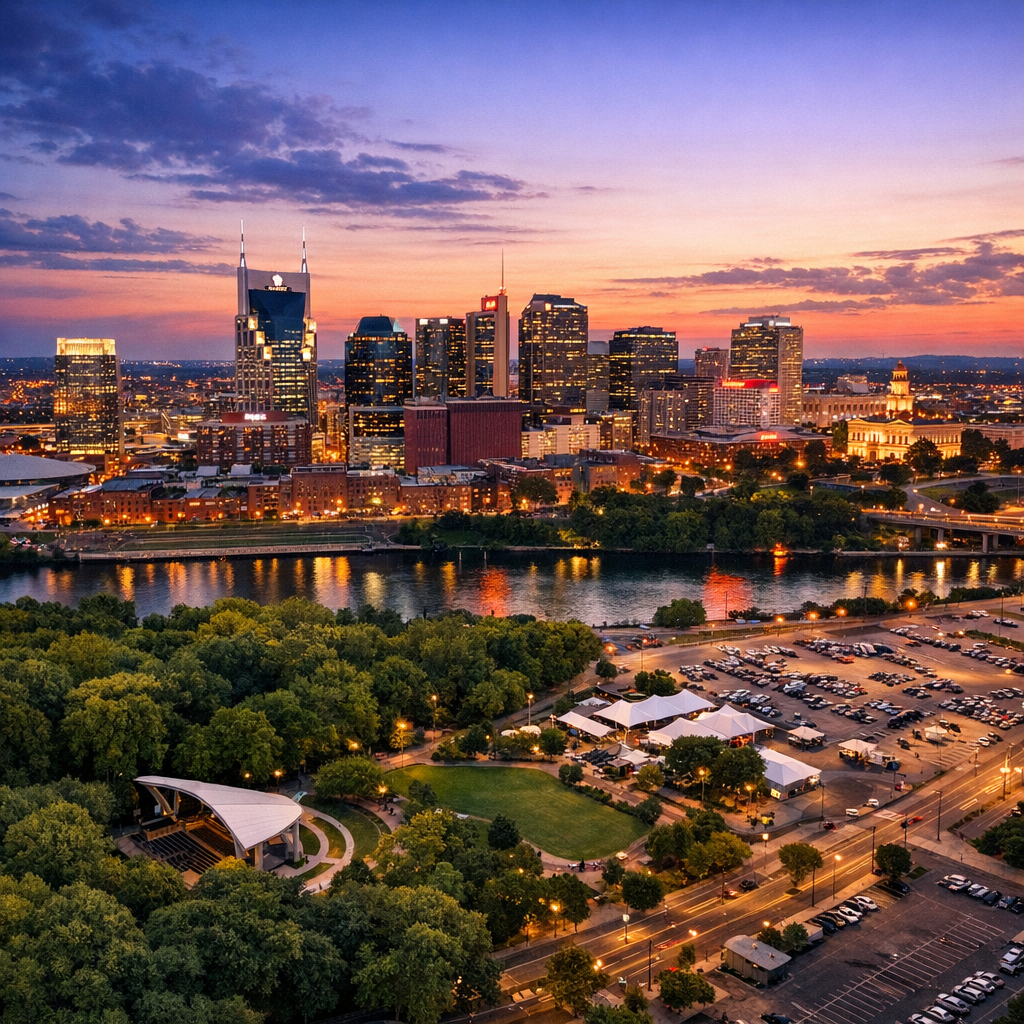
A major factor in how heat affects the city is the urban heat island effect. Portions of Midtown, East Nashville, and downtown — where pavement, roofs, and concrete dominate — tend to retain heat much more than suburban or forested areas, especially at night. This means residents there often face significantly higher temperatures when the mercury drops elsewhere.
Trees, parks, and vegetated areas help cool the city through shade and evaporation. But urban growth has often come at the expense of tree cover. Some neighborhoods lack enough mature canopy to deflect summer heat or protect against nighttime warmth. Older forested areas along streams or in public parks tend to fare better in this heat, but even they face stress from the hotter summers and fluctuating moisture.
Risks to Health, Infrastructure, and Ecology
Humid heat increases risks of heat exhaustion and illness, especially for kids, older adults, and people without air conditioning. Areas with limited green infrastructure or tight spacing between paved surfaces often show higher temperature readings, meaning vulnerability isn’t shared equally across our city.
Storms with intense rainfall can overwhelm roads, drains, and streams. Flash flooding is becoming more common in low-lying areas. Meanwhile, plant and wildlife species that depend on stable conditions — native forest undergrowth, stream bank species, amphibians — are being disrupted by both excessive rain and heat stress. Some invasive species are thriving in the warmer, wetter weather.
What Nashville Is Doing — And What More Could Help
In 2024, Metro Nashville launched the Climate Adaptation and Resilience Plan. Amid citywide and countywide efforts, this plan aims to strengthen infrastructure, green spaces, and community systems to withstand heat waves, severe storms, and flooding risks. It includes mapping heat zones to target cooling interventions in neighborhoods most at risk.
Simple strategies matter: planting more trees, preserving existing forested land, using lighter-colored roofing materials, and increasing permeable surfaces all reduce heat absorption. Policies that encourage green streets, expand tree canopy, and protect riparian buffers are gaining attention.
How You Can Contribute
- Support tree-planting efforts in your area — join local nonprofits or neighborhood groups.
- Consider mitigating heat around your home with shade trees or reflectivity-enhancing roofing options.
- Stay informed — use city maps to understand your neighborhood’s heat risk and advocate for project funding.
- Help manage stormwater — rain gardens and permeable pavements on private property reduce runoff.
Nashville’s climate is changing — and the path forward depends on community awareness paired with local action. The heat will still come, but together we can make the city more resilient, more comfortable, and more equitable.