

By William Thompson
Introduction
Nashville’s weather is more than just rain and sunshine—it’s a changing story of our environment. As our city grows, so do our climate challenges. Rising temperatures, more extreme weather, and shifting seasons are all having real effects here at home.
Rising Heat and Changing Temperature Extremes
Data show Nashville has been getting hotter. Our summers already bring regular heat, but projections suggest the number of days with high heat stress—when temperatures near or exceed 90°F—could rise substantially later this century. Nights are getting warmer, too, reducing the relief traditionally offered by cooler early mornings.
Weather Hazards: Storms, Flooding, and Snow
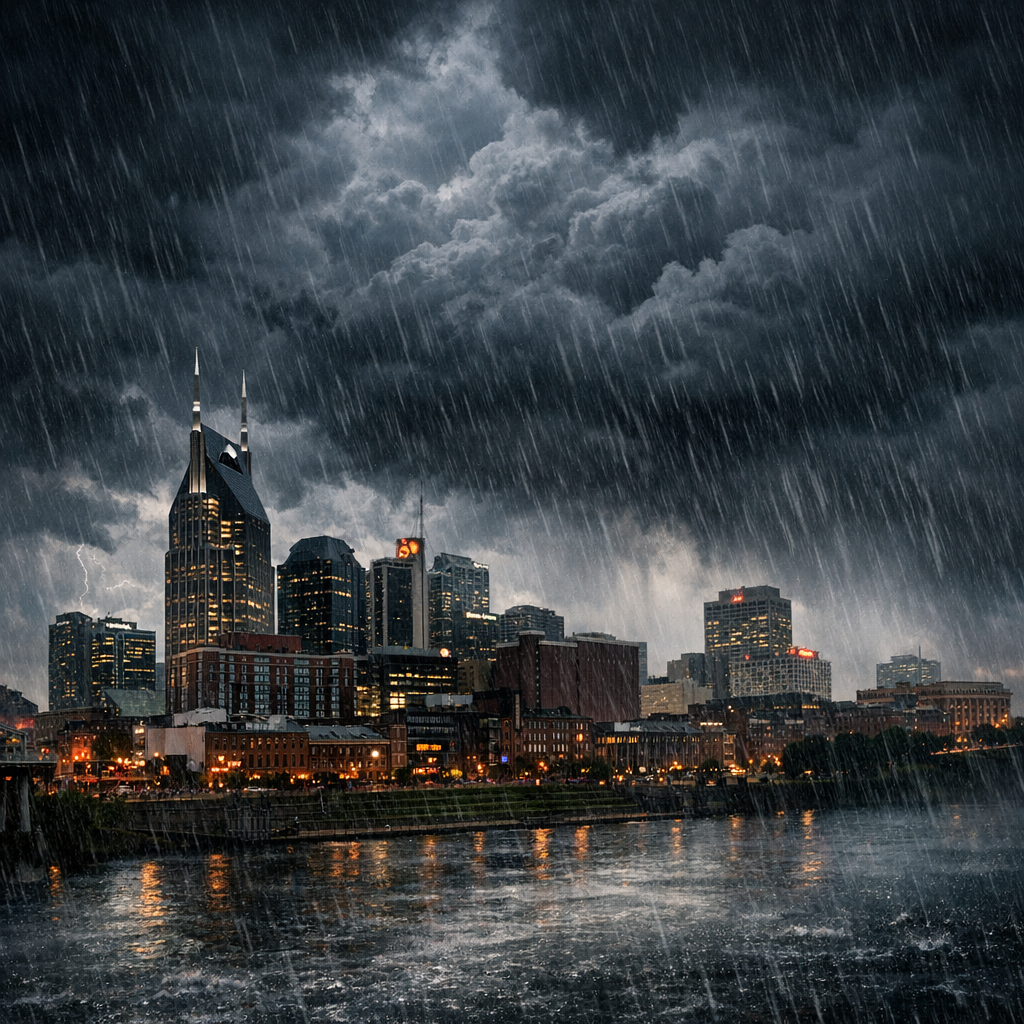
Heavy precipitation is one of Nashville’s growing concerns. Most of the region’s rainfall still falls between late autumn and spring, but thunderstorms in summer are becoming more severe and intense. This increases our flood risk, especially in areas with many hills and creeks. Though prolonged snow cover remains rare in the city, winter storms do bring ice and snow that can disrupt travel and power.
Growing Seasons & Vegetation
One clear sign of climate change is in our seasons. Spring is arriving earlier, fall foliage hangs on later, and the period without frost is stretching. For gardeners and farmers, that means longer growing seasons—offering new opportunities, but also challenges like unexpected frost or heat that stress plants.
Native Plant Communities and Invasive Species
Tennessee’s rich flora—oaks, hickories, maples, and many understory species—thrives under current temperature and moisture regimes. However, shifting climate zones are favorable to some nonnative plants. Species such as Amur honeysuckle and Chinese privet have already established in many parts of the state, and invasive pests like emerald ash borer threaten native tree populations.
Nashville’s Response: Resilience and Adaptation
City planning is shifting to meet these challenges. Metro’s Climate Adaptation & Resilience Plan sets goals to reduce vulnerability from heat, storms, floods, and extreme cold. From improved infrastructure to protect flood-prone areas to cooling strategies and community outreach, the effort spans many fronts.
What Local Residents Can Do
- Plant and care for trees—shade plays a huge role in heat relief.
- Use water wisely, especially during summer or fall dry spells.
- Support native species in landscaping to maintain habitat and biodiversity.
- Stay aware of weather warnings and flood advisories.
Conclusion
Nashville’s climate is shifting in ways we can observe around us—from hotter days and nights, to wetter seasons, to longer growing periods. While the challenges are real, so is our capacity to adapt. In the weeks and seasons to come, paying attention to our environment and taking action make all the difference.