

By William Thompson
Even though recent storms have splashed through Middle Tennessee, a close look at the data shows our city is still digging out of a long drought. From July 1 through June 30, Nashville recorded around 36.7 inches of rain—nearly 14 inches below the usual 50.5-inch average. It’s the driest full year since 1987-88.
What residents are seeing—and feeling
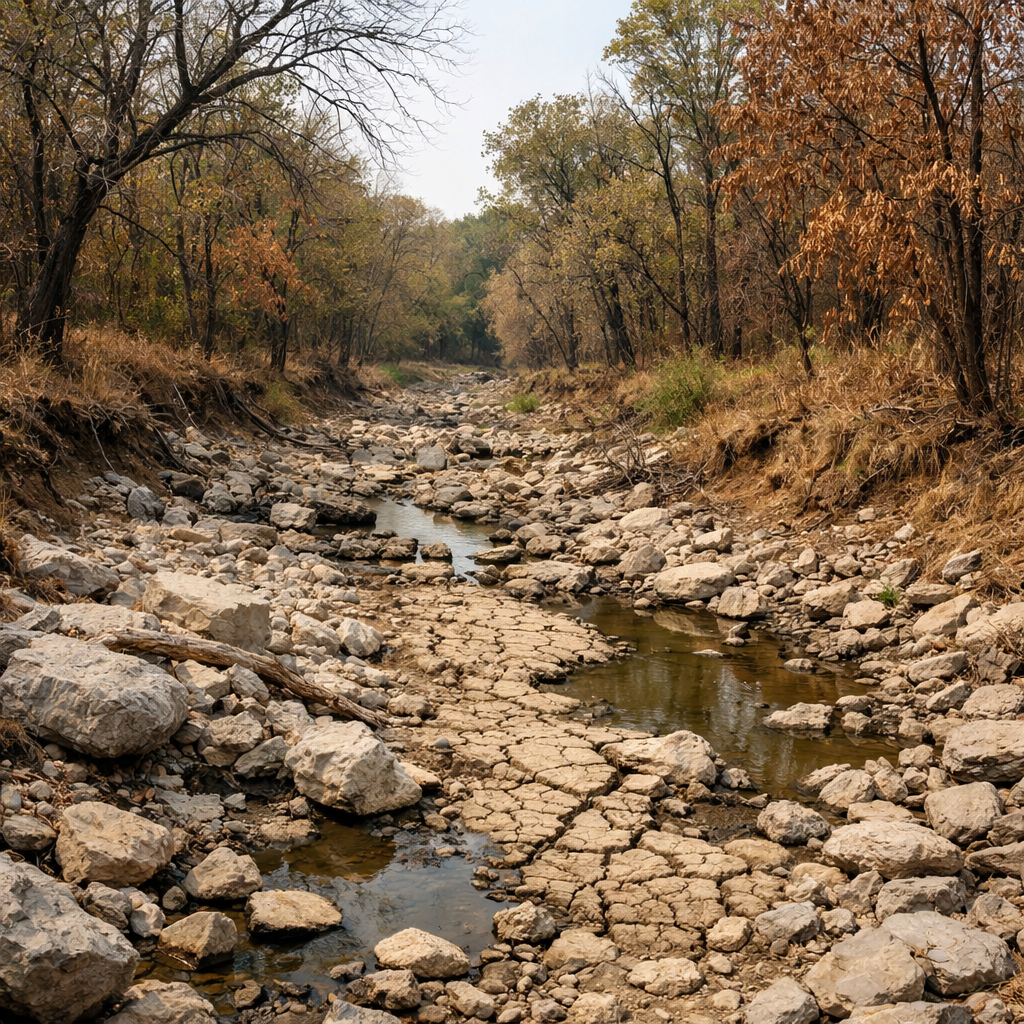
Signs of this drought stretch beyond numbers. Some lawns go brown the moment clouds clear. Trees are showing early stress. Small creeks are running low. Even when it rains hard, much of that water runs off before soil or small waterways can soak it in. That means the drought isn’t over yet.
Broader implications: water, wildlife, and wildfire risk
Less rain doesn’t just affect landscaping. It hits streams, groundwater, and reservoirs—which in turn affects water supply, especially if dry conditions persist. Dry weather also ups the risk for wildfires and can stress fish, plants, and animals expecting wetter conditions.
Another layer: climate change is altering patterns here, too. Summers are getting hotter, humid heat is showing up earlier, and strong storms like thunderstorms and flash floods are becoming more common and intense.
Planning and preparation tips for households
- Stay aware of long-term forecasts, not just the next rainstorm. Spacing of rainy days matters more than intensity when replenishing water tables.
- Use water wisely: lawn watering limits, fixing leaks, collecting rainwater if possible.
- Support and plant native species—trees and shrubs adapted to local seasonal swings.
- Create an emergency kit and know what to do during severe weather. The city’s “Ready Nashville” guide includes tips for heat, winter storms, flooding, and other hazards.
Long-range strategies—and what Nashville is doing
Metro Nashville’s new Climate Adaptation and Resilience Plan (released September 2024) acknowledges many of these environmental pressures: heat waves, severe storms, flash flooding, and drought. The Plan lays out steps for both hard infrastructure (stormwater systems, green spaces) and policy measures addressing equity, climate stressors, and community resilience.
Drought and changing weather don’t wait. Whether you’re tending your yard, planning weekend outings, or hosting an event, understanding these trends can help us all adapt—and make sure our community’s environmental health holds up in the years ahead.