

I’m Mia Wilson, your Local Voices correspondent exploring how Nashville’s real estate and housing trends are shifting. Whether you’re renting, buying, or watching development plans, here’s what’s happening across our city.
Market Price Movement & Buyer Advantage
Home values in Nashville have nudged downward over the past year—median home values dropped about 3%—though sale prices remain relatively strong despite the broader cooling. Inventory is growing, giving buyers more options and bargaining power. Sellers may need to allow more time or consider concessions, making it a market that tilts toward those searching for homes rather than those selling. New construction remains attractive, especially with builders offering incentives like help with closing costs.
Rental Costs and What Renters Are Seeing
For renters, the average monthly rent across all property types in Nashville is approximately $2,200, with little change from recent months. The rental market appears stable, though many renters—especially in lower income brackets—are still struggling with rising housing costs and limited affordable options.
Affordable Housing Projects & Policy Moves
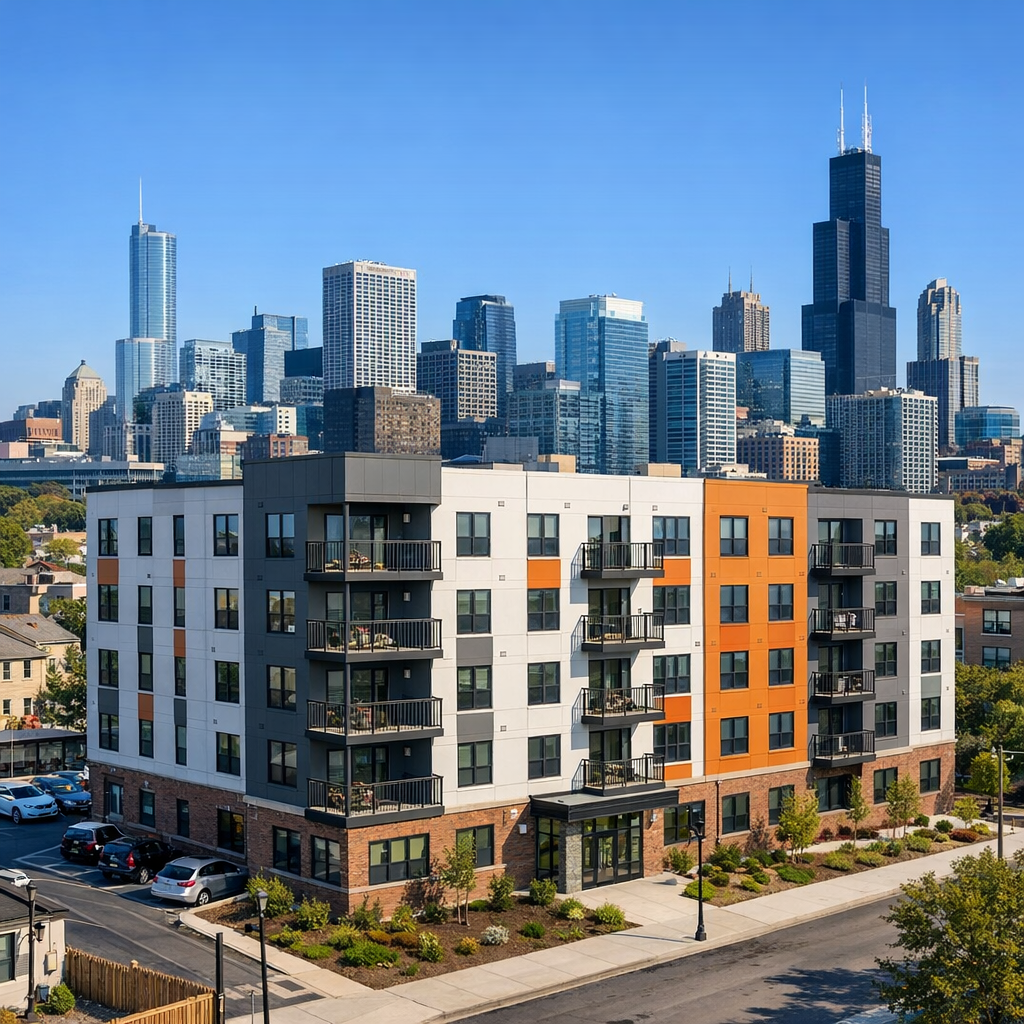
There’s been notable progress on affordable housing. A project called Eastpoint Flats broke ground on the East Bank—they’re building a 100% affordable building that includes retail space and childcare, wrapped in a long-term guarantee to maintain affordability. At the same time, Metro Nashville continues to deploy tools like the Catalyst Fund, the Barnes Housing Trust Fund, and programs that tie affordable housing development to infrastructure.
Zoning, Planning, and Infrastructure
Efforts like the Housing & Infrastructure Study and the Design & Development Strategy are underway, aiming to align zoning, roadways, utilities, and public transit with how people want to live. Key goals include more diverse housing types—think townhomes, duplexes—and smoother approval processes. These shifts are designed to respond to pressing neighborhood concerns about scale, infrastructure strain, and affordability.
What This Means for You
- If you’re buying: this is a moment to explore options patiently—look for price drops, seller incentives, and new developments.
- If you rent: keep watching for affordable building availability, and know that average rents are static rather than escalating sharply.
- If you care about your neighborhood: stay engaged in zoning discussions and development plans to help guide growth in ways that feel local and humane.
Nashville’s housing market is adapting. It’s slower than recent highs, but opportunities are emerging for buyers, renters, and communities alike. Understanding the levers—whether policy tools, development strategies, or market dynamics—means being better positioned in the choices ahead.