

By Mia Wilson
Nashville’s real estate landscape is showing signs of refreshing balance. After years of rapid growth, both renters and homebuyers are starting to see different kinds of opportunity—but also new challenges. Whether you’re looking for a rental or trying to buy your first home, here’s a breakdown of what the market is doing now and how to take advantage.
What’s happening in the rental market
Rent prices have softened in many parts of Nashville. Across the city, the median rent for one-bedroom units has dropped by around 2.9% year-over-year, with similar declines for studios. Neighborhood matters: Antioch, South Nashville, Metrocenter, and Music Row are seeing rent growth turn positive, while areas like Midtown, The Gulch, and SoBro continue to lag behind last year’s levels.
Vacancy rates are higher than before, offering renters a wider choice. Many landlords are offering incentives—free rent or flexible lease terms—especially in newer, higher-end units.
Homebuying: What’s shifting for buyers
For those eyeing home ownership, the median sale price for homes in Nashville hovers around $475,000, a slight drop compared to this time last year. Homes are spending about 64 days on the market, and there’s more inventory than recent years, easing some of the pressure from earlier tight markets.
Single-family home prices over the metro area have climbed—reaching roughly $537,000. Condominium values are also up, though more moderately.
Overall, market conditions are tilting toward buyers. There are more homes for sale than active buyers in some market segments, so there’s room to negotiate—especially on listings that are over-ambitious in price or need work.
What developments are reshaping the skyline and neighborhoods
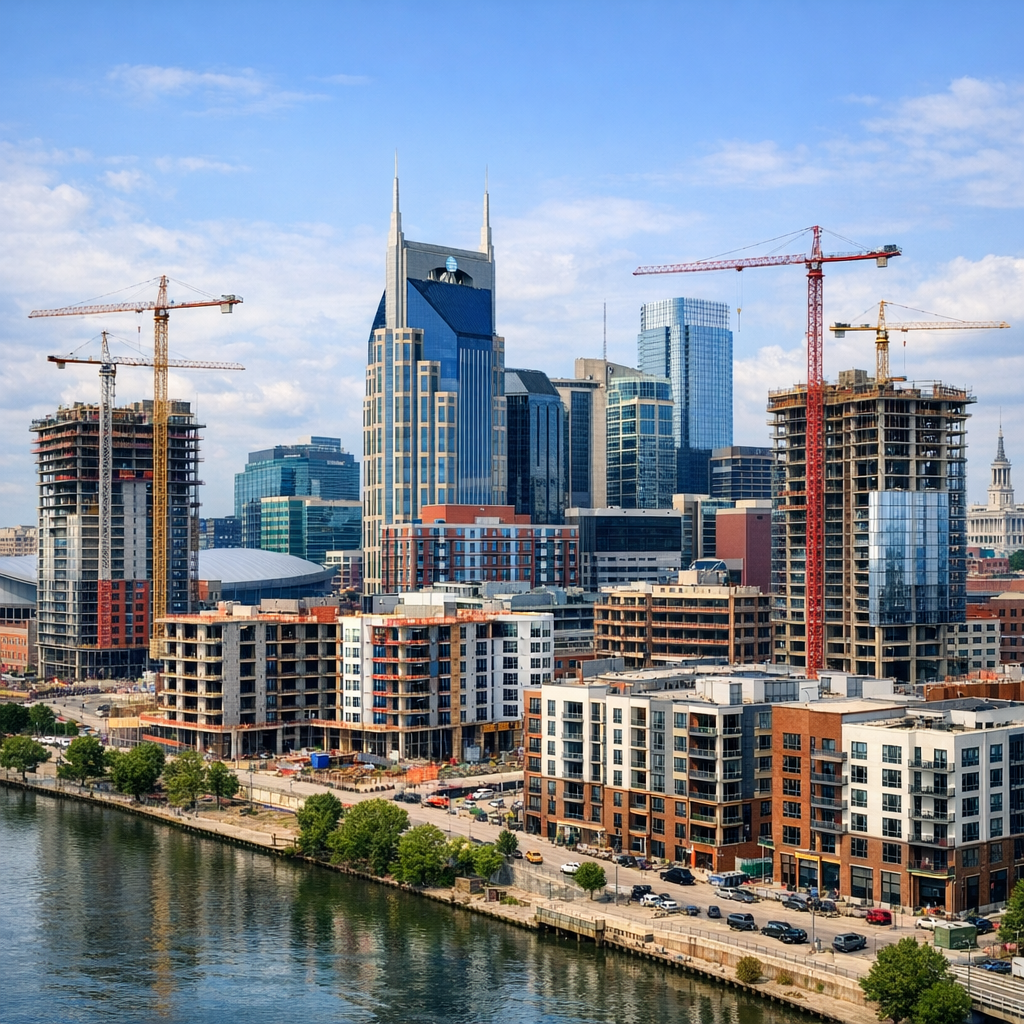
Significant construction is underway, especially in downtown and East Bank areas. Mixed-use projects—combining housing, retail, hotels, and public amenities—are helping reshape underserved areas and creating more options across market tiers. One notable project is an affordable housing development in East Bank’s Eastpoint district, including childcare and retail space.
Luxury condominium towers are also expanding in areas like The Gulch, often as part of larger developments with hotel components. For example, the Pendry Residences project combines condos and a hotel, targeting higher-end buyers.
Opportunities & tips if you’re renting or buying now
- Renters: Look in neighborhoods showing rebound rather than decline. Don’t skip out on negotiating—concessions are more common now with weaker demand in luxury or central locations.
- Buyers: With more inventory, you may have more leverage—inspect listings carefully and consider homes priced below market if you’re ready for potential repairs.
- Both: Think about longer-term cost of ownership versus renting—interest rates, property taxes, and maintenance can add up.
- Keep neighborhoods, commute times, and access to amenities on your radar. Areas farther from downtown may offer more affordability, but the tradeoffs matter.
The affordability challenge persists
Even with cooling rents and more homes for sale, many Nashvillians still face affordability hurdles. Units affordable for households with moderate incomes—including those without a college degree—are rare. Older housing stock that used to be relatively affordable has largely shifted out of reach as demand and home values have surged.
Experts estimate Nashville needs about 9,000 net-new housing units each year to keep up with demand and help relieve pressure on prices. Without more affordable and mid-market builds, many may find themselves pushed to the outskirts or facing long commutes.
Bottom line: Nashville’s housing market may be cooling in parts, but it’s far from easing completely. For those who know where to look, there are openings—renters may snag better deals, and buyers may find more negotiation space. But affordability, especially for moderate-income households, remains one of the city’s biggest issues to address.