

By Mia Wilson
Home Prices Stay on an Upward Path
Despite some cooling in parts of the real estate market, Nashville’s home prices continue to climb. The median sale price for single-family homes across the nine-county Middle Tennessee area reached around $537,000 in mid-2026, up from roughly $528,300 a year earlier. Condominiums have also seen steady gains, with a year-over-year increase of nearly 3%, reaching about $350,000.
Inventory levels have improved somewhat—active listings increased about 8% from the previous year—offering more options to buyers. Homes are spending an average of 51 days on the market, signaling a market that’s shifting toward more balanced conditions, though affordability remains a concern for many.
Rental Market: Softening Then Signs of Stabilization
Rents in Nashville have been in decline over the past year. As of July 2026, median rents fell about 3.6% compared to the previous July, with many renters benefiting from discounts, concessions, and greater choice thanks to higher vacancy rates. The typical apartment spends around 33 days on the market, slightly longer than national average.
But recent trends hint at a turning point: rents ticked up 0.6% month-over-month in July, while vacancy rates are falling from highs seen earlier. If demand continues, some upward pressure on rents could return, especially for well-located or higher quality units.
Where Supply is Coming From—and What’s Still Lacking
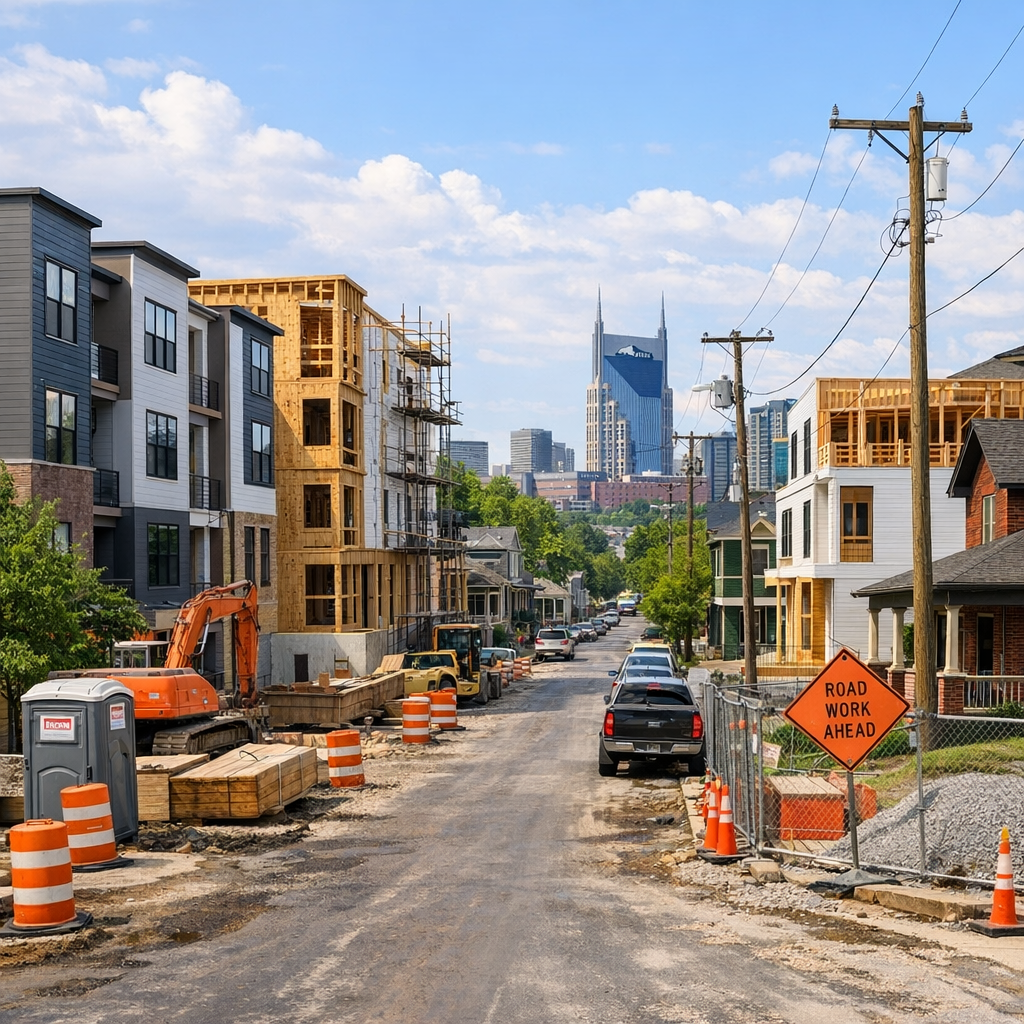
Nashville has seen a boom in multifamily development. From 2019 to 2023, developers added or permitted more than 41,600 units across Nashville, though less than half of renter households have access to homes affordable at 50% or below Area Median Income.
On the policy side, Metro Nashville adopted its first Unified Housing Strategy, a roadmap that combines public, private, and nonprofit efforts to create, preserve, and protect affordable housing. Also in progress is a Housing & Infrastructure Study aiming to revise zoning and support more diverse housing types to match the city’s changing needs.
What This Means for Buyers, Renters & Developers
- Buyers: While prices are high, with more listings and slightly longer market times, there may be more room to negotiate. First-time buyers should explore suburbs or emerging neighborhoods.
- Renters: It’s a renter-friendly climate—look out for deals, concessions, and lower rents. Keep an eye on neighborhoods where new construction is finishing up, as those units may snap up faster once vacancies tighten.
- Developers & policymakers: The need for affordable units is pressing. Incentives, mixed-income development, and flexible zoning may help address gaps—especially for households earning under 80% of Median Income.
Overall, Nashville’s housing market is adjusting. Strong demand continues to push home prices upward even as the rental market softens somewhat—though early signs show things may be re-balancing. How key players respond to issues like affordability, zoning, and new supply will shape whether housing becomes more accessible or remains out of reach for many.