

By Mia Wilson
Nashville’s housing scene is showing signs of balancing out. Prices are still increasing but at a slower pace, inventory is growing, and the city is making strides toward more affordability. If you’re watching the market—whether buying, renting, or keeping an eye on new developments—here are the key trends worth noting right now.
Price Trends & Inventory: Still Climbing, Slightly Cooler
Recent data from Redfin puts the median home price in Nashville proper at roughly $480,000, up about 1% from the same period last year. Homes are sticking around a little longer—around 61 days on the market versus ~57 days previously—while sellers are seeing multiple offers, though not quite the flurry of recent years.
Across the broader Middle Tennessee region, single-family homes sold for a median of approximately $537,000, with condo prices around $350,000. Listings are seeing modest gains, helping ease some pressure for buyers who’ve been waiting on the sidelines. That said, affordability continues to lag wage growth for many would-be homeowners.
Rentals & Home Values: Mixed Signals
Zillow reports an average asking rent around $1,800 in Nashville—a number that’s holding fairly steady, with only slight year-over-year decline. Meanwhile, Zillow’s Home Value Index (ZHVI), which tracks home value changes, shows a small decrease—around 3%—reflecting some normalizing after recent rapid gains.
For renters, the consistency in pricing means rising costs haven’t continued accelerating—but they also aren’t falling sharply. Prospective renters in Nashville still face tight inventory in certain neighborhoods and a modest premium for convenience or access to transit.
Local Policy & Development: Building Affordability Into the Future
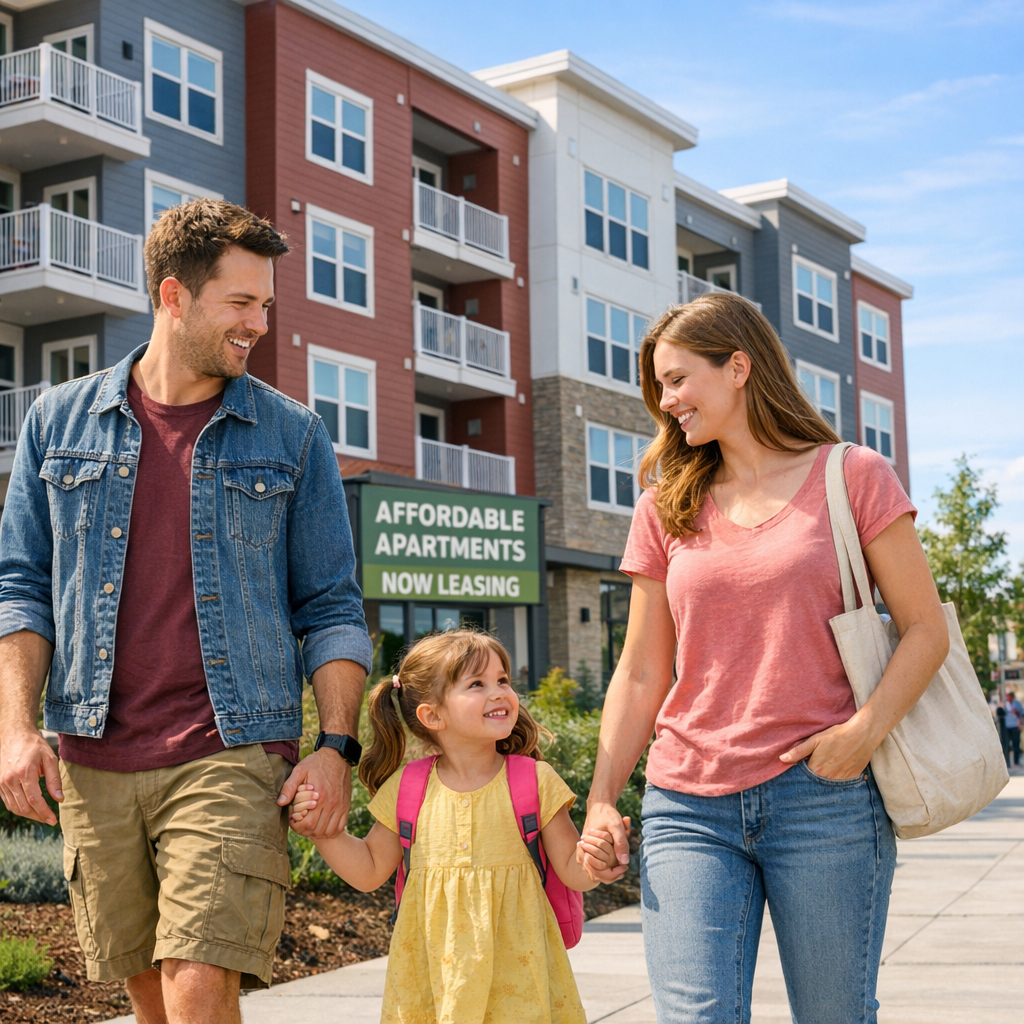
Efforts to boost affordable housing are underway and growing. One of the most notable is Eastpoint Flats, a fully income-restricted development breaking ground on the East Bank. It will offer 323 affordable units, plus retail space and daycare, secured by a 99-year ground lease to maintain long-term affordability.
Another project, The Opaline on Dickerson Pike, will provide 251 units for people at or below 60% of the area median income, along with maker spaces, nonprofit services, and a future transit center. These show how mixed-use models are helping address both housing and community infrastructure needs.
The Housing & Infrastructure Study led by Metro Planning has also proposed zoning changes to allow for smaller-scale housing types and more predictable design standards. That could unlock more supply in neighborhoods where homeowners have resisted larger projects.
What This Means for You
- If you’re buying: Expect more breathing room than in 2024–25. You may get better negotiating positions, though homes still move relatively quickly.
- If you’re renting: It’s still a challenge in hot areas—but neighborhood choice and proximity to transit can lead to better deals.
- Developers and local groups: Mixed-use affordable housing and permanent protections (like long ground leases) are becoming key tools.
- Policy makers: Zoning reform, design standards, and trust fund support remain central to making housing more accessible.
Nashville’s housing market isn’t cooling down completely—it’s simply adjusting. The imbalance between demand and supply remains, especially for affordable options, but with new tools and developments in motion, there are real opportunities for residents to find housing that works for them.