

By Mia Wilson
Rental Market: Cooling But Uneven
Across Nashville, rent prices have eased slightly over the past year. The overall median rent dropped about 2.9%, though some neighborhoods are seeing recovery and even growth as demand shifts.
For example, Antioch, South Nashville, Metrocenter, and Music Row are among the areas experiencing renewed interest and rising rents. Meanwhile, others still struggle with falling prices and elevated vacancy.
Despite these changes, the cost of rental housing remains steep in many central or highly desirable neighborhoods. For a broad view, average rents are around $1,864/month in the city; two-bedroom units often exceed $2,000/month. Studios and one-bedrooms offer lower entry points, but options remain limited depending on location.
Home Buying: More Balance than Before
The shift in the rental market reflects broader challenges—but also opportunities—for homebuyers. Inventory has increased compared to the post-pandemic years, and sellers are less often able to name their price. More negotiation room is opening, particularly in areas that saw rapid appreciation. Buyers who were previously priced out may now find more workable options.
Still, mortgage interest rates and down payment costs continue to be hurdles. Those with strong credit and savings still have the best leverage. For prospective buyers, working with a trusted local realtor and preparing to act quickly in the right neighborhood can make a difference.
Local Development: New Projects and Neighborhood Change
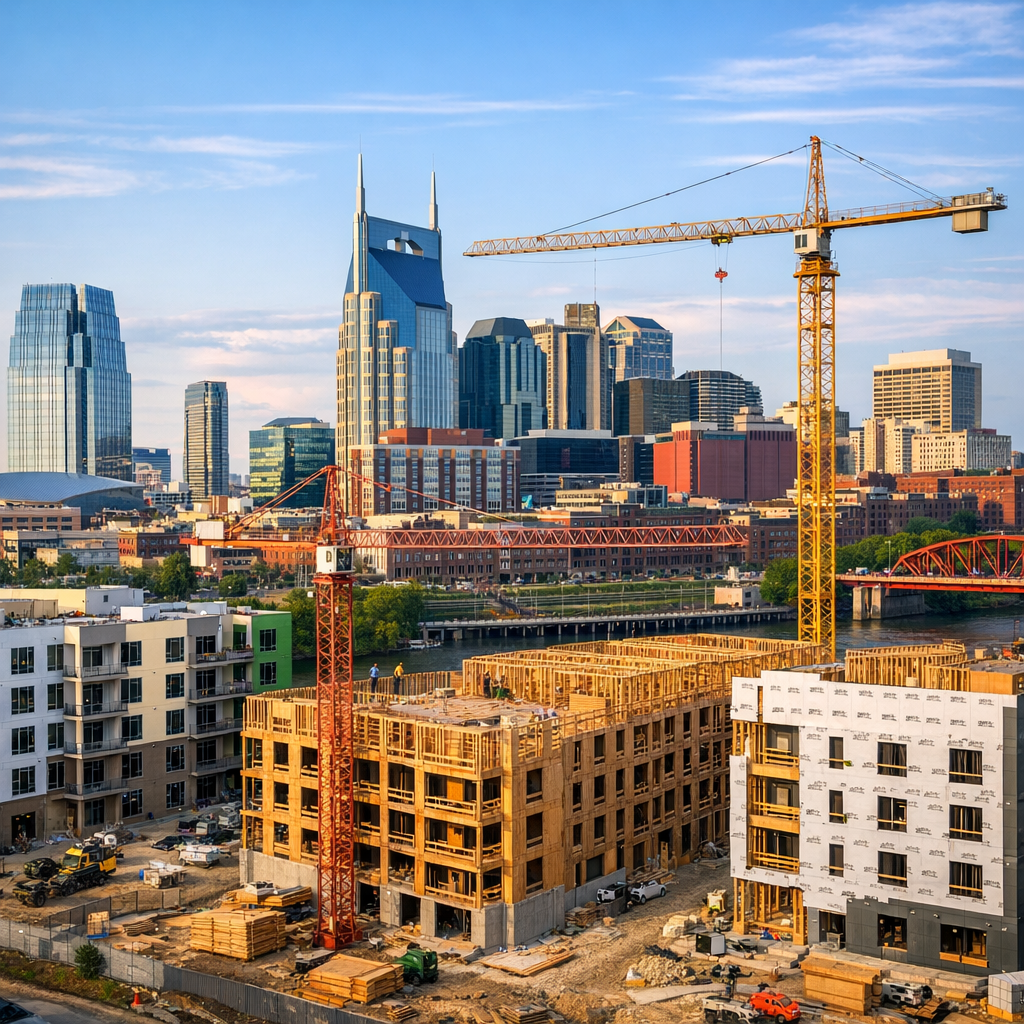
Nashville’s skyline and community fabric are being reshaped by several substantial developments. Major mixed-use projects are underway downtown and along the East Bank, including large residential, commercial, and public-space components. These projects often include retail or greenway space in addition to housing.
Housing that’s affordable or workforce-targeted is getting some priority. For example, the Northview development in East Nashville will offer senior-friendly, mixed-income housing ranging from 40% to 80% of Area Median Income.
What It Means for You in Nashville
- If you rent: Consider neighborhoods showing positive rent growth. Bargains may be found in areas with higher vacancy, but balance that with access to amenities and transit. Always check recent lease rates rather than list prices.
- If you’re looking to buy: Monitor inventory and act when listings match your criteria. Homes that were previously in bidding wars may now receive fewer offers.
- For community stakeholders: Demand for housing affordability is growing louder. There’s space for policy solutions and partnerships to support balanced development that prevents displacement.
Nashville’s housing landscape is in a phase of moderate adjustment. Whether you rent or buy, understanding which neighborhood trends are reversing and which are holding steady can help you make smarter decisions.