

Washington D.C. continues to churn with major national developments that are already shaping policy, law, and the economic realities for Tennesseans and all Americans.
Supreme Court Redefines Executive Power
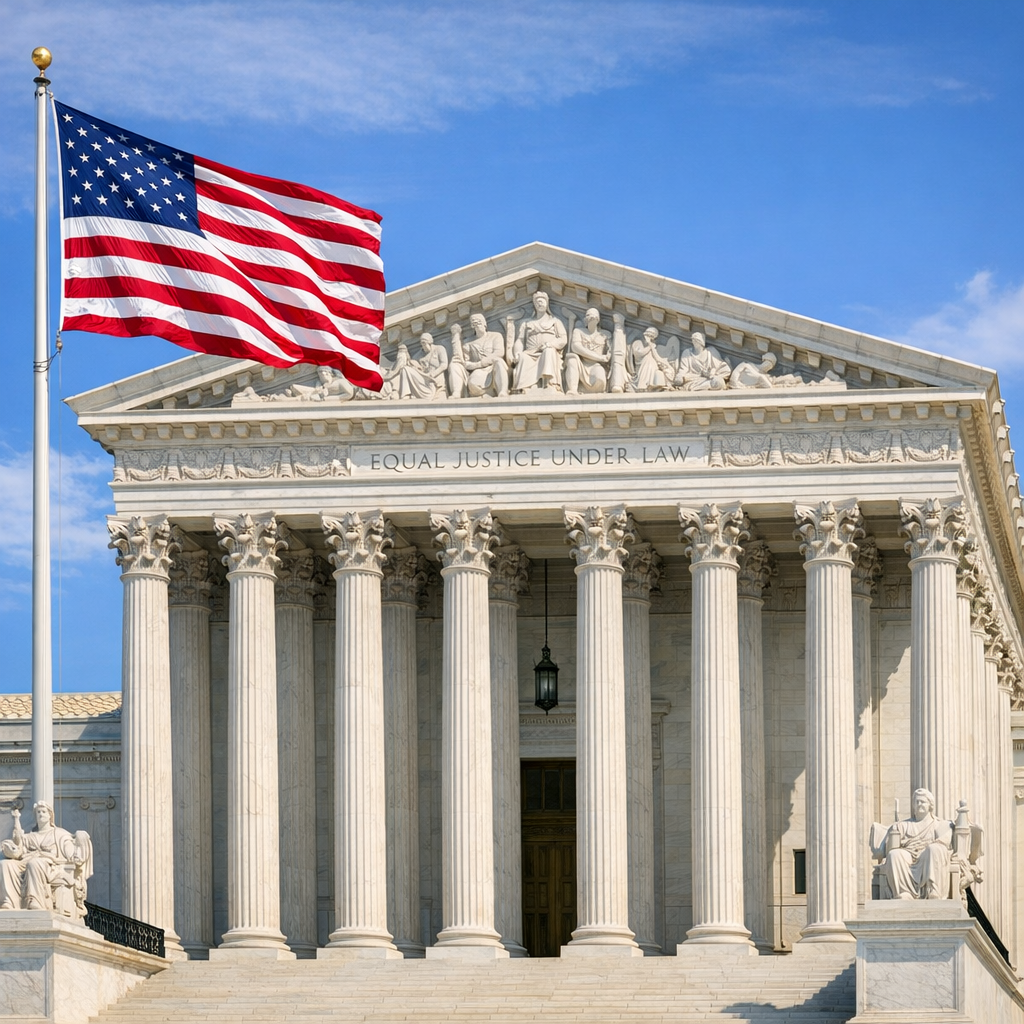
The U.S. Supreme Court has issued sweeping decisions narrowing the protections that had long shielded heads of independent federal agencies from being fired without cause. In a landmark ruling, the Court decided that numerous agency leaders—including those at the Consumer Product Safety Commission and National Labor Relations Board—may now be dismissed at will, overturning a nearly century-old precedent. This marks a profound shift in executive authority and may alter how agencies enforce regulations in areas like labor, health, and environmental safety.
Meanwhile, just ahead of nationwide elections, the Court cleared the way for a new voter verification database, allowing state and local officials to request citizenship checks of voters. Critics warn such systems risk improper targeting and voter suppression, though supporters say they’re necessary to protect election integrity. One dissenting justice called the approach “profoundly disappointing.”
Inflation, Wages & Housing: Economic Strains Mount
On the economy front, many Americans are experiencing stagnating pay amid rising prices. Adjusted for inflation, wages for typical workers have fallen behind the cost of living over recent months, squeezing household budgets. Mortgage rates have climbed above 7%, a notable burden for those seeking to buy homes.
Consumer inflation has begun to cool compared to recent highs, but pressures remain from rising energy costs, global supply chain challenges, and the fast growth of artificial intelligence investment. The Federal Reserve’s preferred inflation measure still sits well above its 2% target, suggesting sustained concern for policymakers and consumers alike.
The Local Angle: How Nashville and Tennessee Are Affected
Here in Tennessee, the Supreme Court’s decisions could mean changes in how people interact with federal agencies—whether in worker protections, product safety or public health—especially if enforcement becomes more politically driven. Elevated mortgage rates may impact the already competitive housing market around Nashville.
Economically, businesses and residents face rising operating costs and shrinking real incomes. Tennessee’s industries—especially small businesses—may feel the squeeze from higher borrowing costs and reduced consumer spending. Meanwhile, government policy at the state level may need to adjust to federal shifts in regulatory power and electoral oversight.
Looking Ahead
- The coming weeks will bring further clarification as new rules and structures emerge around agency termination and election verification.
- Consumers will be watching inflation data, especially core measures excluding volatile sectors like energy and food, for signs of relief or renewed pressure.
- With midterm elections approaching, the stakes are high as voters respond to economic strain and perceptions of government realignment under changing legal frameworks.
For Nashville and beyond, these national decisions are more than headlines—they’re shaping everything from agency oversight to household finances. Staying informed is essential.