

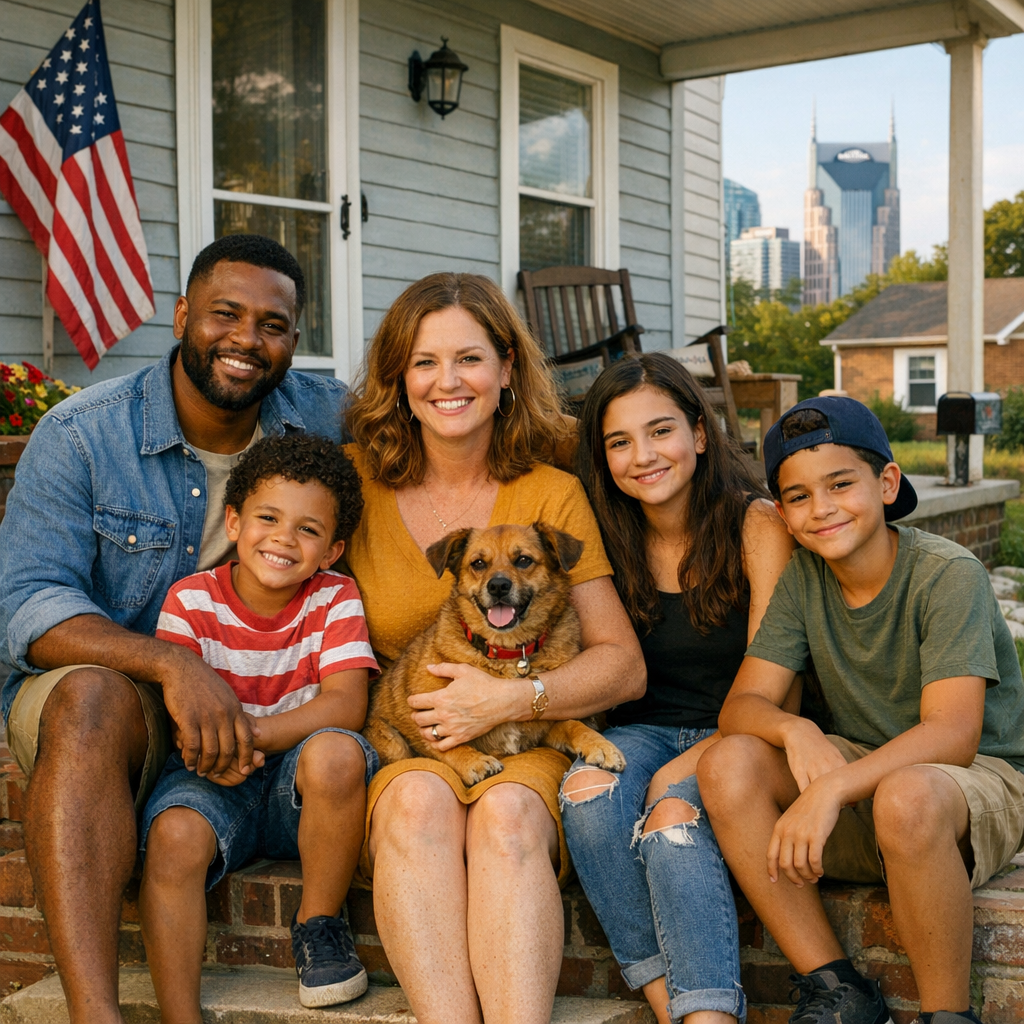
I’m Benjamin Lopez, and I’ve been talking with neighbors around Nashville—folks who work two jobs, take long bus rides, or wonder whether they’ll ever own a home here. Across ages and backgrounds, one refrain comes up: this city is not as accessible as it feels.
Home feels like ‘almost out of reach’
Nashvilleers I spoke with in East Nashville, North Nashville, Antioch, and Bordeaux describe housing that costs too much, both to rent and to buy. One young teacher shared she spends nearly 40% of her income on rent, leaving little for groceries, savings, or leisure. A single parent in Antioch recounted being priced out of areas near schools and transit—even though those areas had been home to longtime neighborhood networks.
A recent poll by Vanderbilt University reflects what many of us feel: over 80% of Nashvillians say buying a house in Davidson County is beyond their reach. Many see rising housing costs as an urgent concern for leadership. Other data, including city reports, shows nearly half of renters pay more than 30% of their income in housing costs. That kind of burden makes it hard to keep your footing locally.
Challenges beyond the front door
Even when people manage to find housing they can afford, they face other hurdles. Residents in subsidized and permanent supportive housing often report needing on-site services—medical, dental, assistance navigating past eviction records or dealing with outstanding rental balances. These aren’t rare stories—life circumstances like imperfect credit or prior evictions are among the very real barriers that keep housing out of reach for many.
And for many, transportation amplifies these burdens. Folks living near transit corridors still find public transit inconsistent, poorly timed, or not connecting meaningfully with job centers. For those without access to full-time reliable car ownership, every missed bus or long wait is a day’s lost opportunity.
What people want: stability, dignity, a stake
In conversations, neighbors express clear priorities: affordable, stable housing—units that don’t move off market fast; ownership opportunities; stronger tenant protections; housing close to work, school, and transit; and services available where they live. They want to be involved in designing solutions, not simply recipients of them. When people in supportive housing are asked, the services they most desire—vision care, dental, help with everyday health—are things many thought would already be built in.
Past redlining and ongoing income inequality exist alongside aspiring policies like the Unified Housing Strategy, transit-oriented development, and partnerships between faith-based and nonprofit landowners. These efforts offer hope but also show where work remains: affordability is more than economics—it’s justice and rootedness.
Finding balance: What Nashville needs
- Expansion of truly affordable housing stock to meet the need—particularly units affordable to those under 80% of area median income.
- Supportive services as co-located resources in housing communities—health, legal, mental wellness.
- Zoning reform and transit alignment so people aren’t forced far from work or school just because they can’t afford central neighborhoods.
- Engagement in policy from lived experience—people facing these issues directly should be shaping the solutions, not remaining stories heard from afar.
I love this city, and I think many of us do—not despite change (we know cities evolve) but hoping Nashville evolves for everyone. We can’t settle for stretch-renting, for relentless displacement, or for invisible costs that erode dignity. What we need is home: secure, affordable, and ours in every sense.