

By Michael Williams
Modest Growth, Persistent Inflation
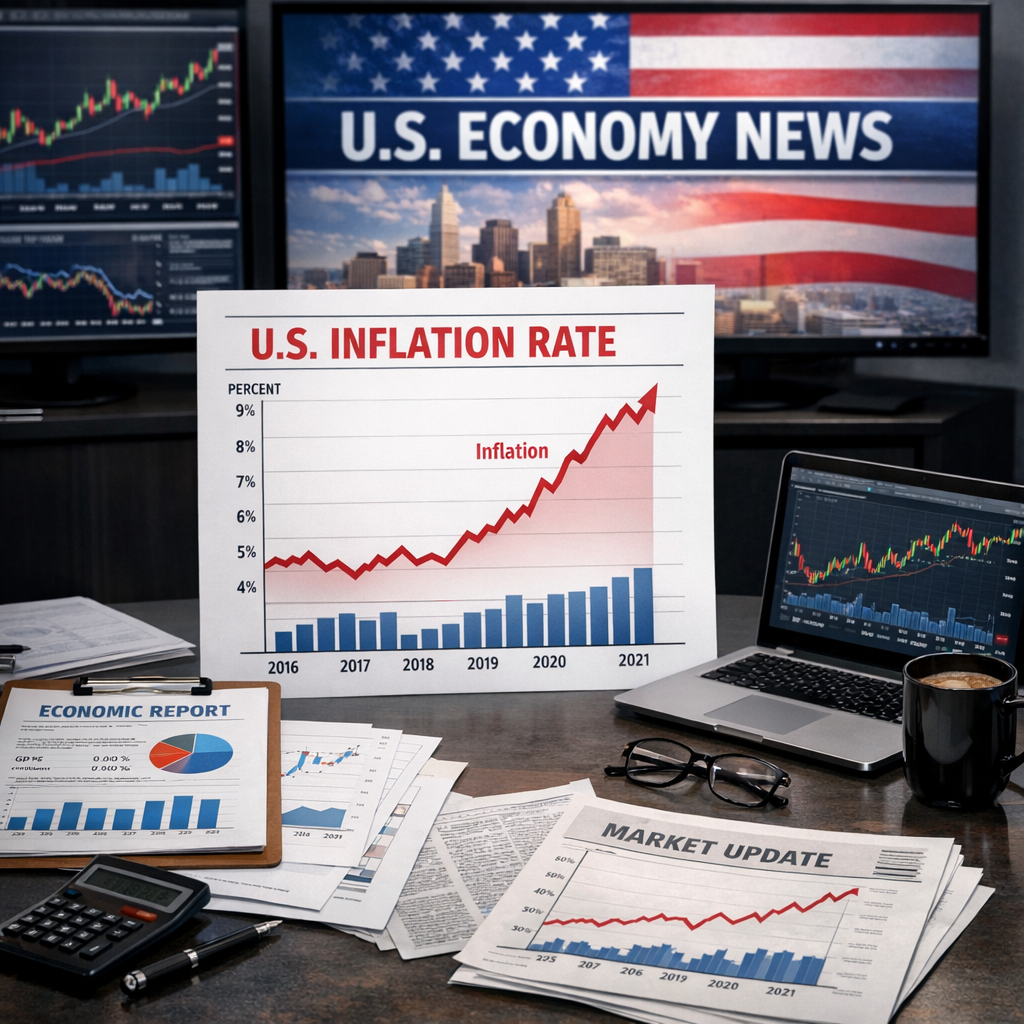
The U.S. economy continues to expand, but the rate is slowing. According to government data, growth in the second quarter came in at about 1.5% annually — well under what many economists had anticipated. While consumer spending remains resilient, it hasn’t been enough to counterbalance weakness in other areas like business investment and trade. Inflation has improved in some respects — particularly when excluding volatile food and energy costs — but it remains stubbornly above the Federal Reserve’s 2% target. These conditions pose a risk for both households and policy makers.
Labor Market Strength Meets Household Pressure
The jobs picture is mixed but tilted toward strength. Unemployment remains low, and layoffs are still rare. At the same time, wages are rising — but not always fast enough to keep up with climbing costs for essentials like gas, housing, and groceries. Thus many families feel squeezed even when employment numbers look solid. Confidence surveys reflect this tension.
Big Picture Risks and What’s Coming Into View
Several underlying issues could affect the economic outlook in the months ahead:
- Interest Rates and Debt: Interest rates remain elevated. With federal debt near historic highs relative to economic output, servicing that debt adds pressure to budgets.
- Tariffs, Trade, and Geopolitical Shocks: Disruptions — including those related to oil prices and global shipping — continue to ripple through supply chains and feed inflation. Trade policies and foreign conflict have become central to risk assessments.
- AI Investments and Sectoral Shifts: Investment in high-tech infrastructure, especially artificial intelligence, is helping fuel growth. But much of the spending involves imported components, which dulls its impact on domestic production figures.
What This Means for People in Nashville
For Nashvillians, the economic backdrop means a few practical trade-offs. You might find the job market still competitive, though wage improvements may lag in certain sectors. Rising everyday costs could mean tougher budgeting for rent, groceries, and transportation. On the policy front, there’s increasing pressure on elected leaders — local, state, and federal — to manage these pressures: from keeping inflation in check to ensuring job growth benefits more communities and avoiding economic instability from debt and interest burdens.
Looking Forward
The U.S. economy appears to be at a delicate moment. It’s holding together, but it’s not firing on all cylinders. Key areas to watch: how the Federal Reserve navigates interest rates; whether inflation truly returns to more tolerable levels; how trade disruptions and energy prices evolve; and how fast investments in sectors like AI translate into tangible gains for workers. For now, many Americans carry a cautious optimism — hopeful but bracing for headwinds ahead.