

Growing Pains and Shifting Roots
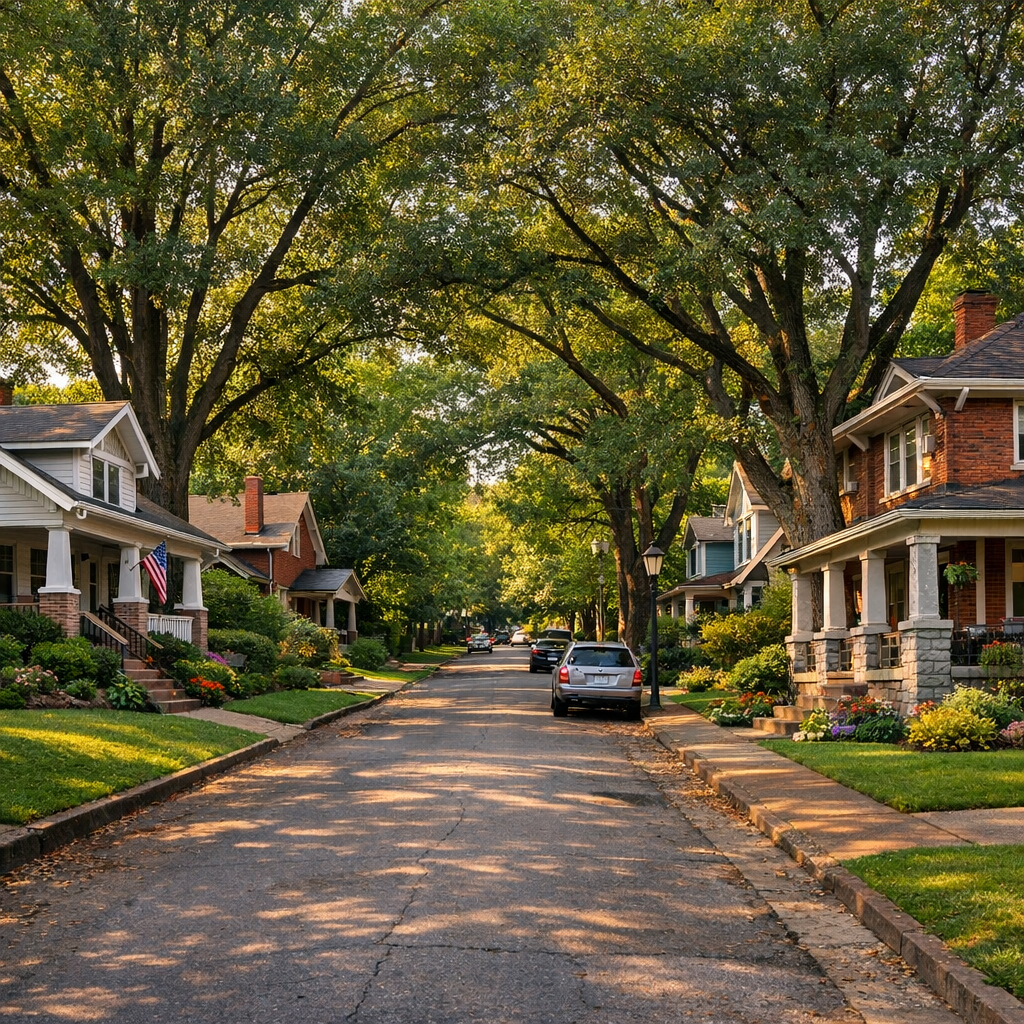
I’ve lived in Nashville for nearly two decades. I remember when local diners meant smiling faces behind the counter, not revolving doors of customers. When kids played in yards without fear of the speeders rushing by. And when an old neighbor’s wave meant you were seen. Now, as I drive past renovated storefronts, luxury condos, and new faces everywhere, I believe many neighbors feel that Nashville is slipping away.
Belonging isn’t guaranteed
Modern Nashville seems to favor newcomers with money, leaving longtime residents to wonder where they fit in. Affordable housing remains a deeply felt concern. Polls indicate that large majorities believe growth has outpaced checks and balances—and many residents can no longer afford to live in the neighborhoods they grew up in. For families who’ve always called East Nashville, Antioch, or Madison home, the pressure to relocate is quietly changing what “local” even means.
Community beyond brick and mortar
But it’s not just buildings or fences. It’s whose stories are told, whose children attend which schools, whose voices are heard at council meetings. When decision-making feels distant, traditions get pushed aside—front porch chats, block parties, homegrown choirs. We risk becoming a city of crowds, not of connections.
Tools We’re Shaping—and Gaps Still to Bridge
Listening, documenting, preserving
Across neighborhoods, folks are recording oral histories, sharing personal stories, and gathering local data—not just for posterity, but to make sure decisions today reflect who Nashville has always been. Projects led by universities and grassroots groups show how vivid our lived experiences are, particularly for folks impacted first and worst by rising costs or climate change. These stories aren’t just poetry or protest—they’re needed context in crafting policy that works for everyone.
What still feels out of reach
Even when we share our stories, real change can lag. Zoning changes happen without neighborhood input; public input sessions feel performative; investment flows to visible areas, bypassing others. And while many agree on priorities like affordable housing, transit safety, and equitable infrastructure, implementation remains patchy. The risk is that shared values turn into unfulfilled promises.
What Belonging Could Be
Small acts, meaningful impact
If we want Nashville to stay a place where locals feel they belong, some shifts matter: supporting walkable streets that connect neighbors, investing in repair over replacement of long-standing homes, keeping public spaces safe and open, preserving local art and storytelling. When we care for each other’s histories and spaces, we anchor our connection.
Listening more than speaking
Policymakers, developers, and community leaders: you don’t always need new ideas. Sometimes you need to really hear what’s already being said. Longtime Nashvillians know what’s at stake. Their stories—of loss, of adaptation, of love for this place—aren’t nostalgia. They’re guideposts. And if we carry them forward, Nashville can be both a place growing fast and one where many belong.