

By Benjamin Lopez
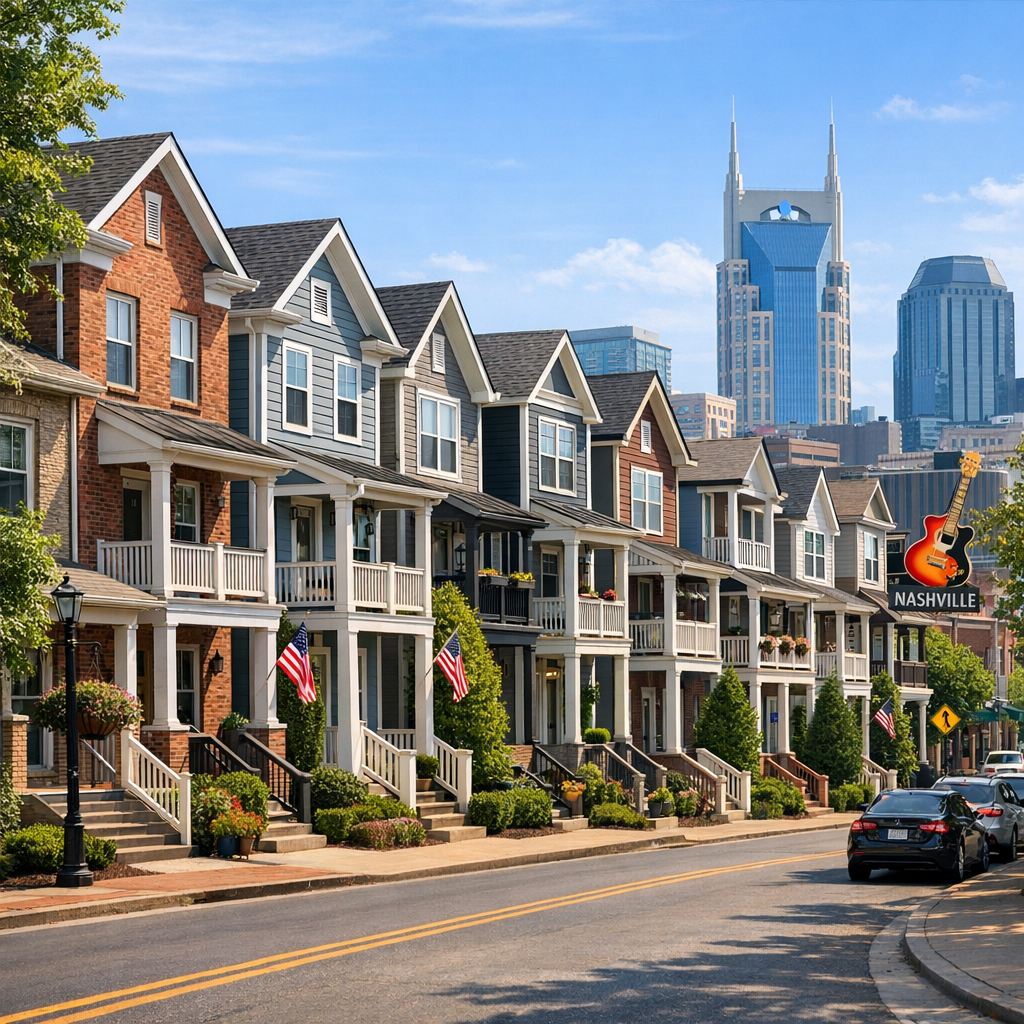
Nashville is changing—fast. New developments rise, block after block; rents creep higher; neighborhoods once out of mind are now front and center. While growth brings promise, it also pulls at the roots of people’s lives—raising questions about belonging, equity, and who gets to stay.
Where the squeeze hits hardest
According to Metro Social Services’ recent report, African American residents in Davidson County face poverty rates significantly higher than other groups—around 18 percent compared to 11.9 percent overall. This gap is compounded by unemployment, low pay, and cost burdens of housing. Nearly half of all renters in Nashville are spending more than 30 percent of their income just to keep a roof over their heads. For many, that means making tough choices between housing, food, healthcare, or safe transportation. (Data from community evaluation findings.)
What’s driving the challenge?
Several factors feed into the affordability crisis:
- Limited housing supply where people want to live. Many areas near transit or with amenities are zoned mainly for single-family homes. Restrictions make it harder to build multifamily housing, pushing costs up where demand is highest.
- Rapid rising property values and displacement risks. As neighborhoods become more desirable, property values and rents follow—and longtime residents often can’t keep up.
- Gaps in support and navigation. There are assistance programs and strategies, but many people don’t know where to turn. Also, coordination between public agencies, nonprofits, and developers is sometimes fragmented.
Promising pathways forward
How can Nashville address the challenge without losing what so many love about it—its neighborhoods, local culture, and community connections?
- Unified Housing Strategy. Launched by Metro Nashville, this strategy maps out goals around affordable housing, housing choice, homeownership access, and preventing loss of existing affordable units. Key to success will be ongoing input from residents who are most affected. (From Metro’s UHS work.)
- Zoning reform to increase housing types. Adding flexibility so that duplexes, triplexes, or small multifamily housing can go up in more neighborhoods near transit could help accommodate growth while holding back the pressure on housing cost in the core areas.
- Preserving what we already have. Affordable housing today is getting lost through demolition, conversions, or neglect. Programs that preserve units, support renovating older buildings, or protect against displacement should be part of the plan—not afterthoughts.
- Empowering community-led solutions. Institutions can offer incentives; universities, faith-based groups, and health care systems have land and resources. When they partner with local communities—not just in transaction but in decision-making—outcomes are more equitable and rooted in trust.
A personal reflection
I grew up in East Nashville, where neighbors knew each other’s names and porches were places to gather. But I also saw houses change, rents increase, people move away—sometimes to places far from the jobs and people they care about. The things that made a neighborhood feel like home started to shift. What if, instead, Nashville grew in ways that embraced diversity, sustained connections, and made room for dreams—for someone with the job and the budget and someone else just starting out?
Let’s measure success not just by what gets built, but who keeps living here.
The test of Nashville’s future won’t be skyscrapers or new luxury complexes—it’ll be whether long-time families, service workers, artists, and newcomers alike can all afford to call it home without sacrificing dignity. It’ll be whether we shape policy not just for growth, but for justice. Because a city isn’t just its buildings—it’s the people who breathe life into them.