

By Benjamin Lopez
The House We Once Dreamed Of
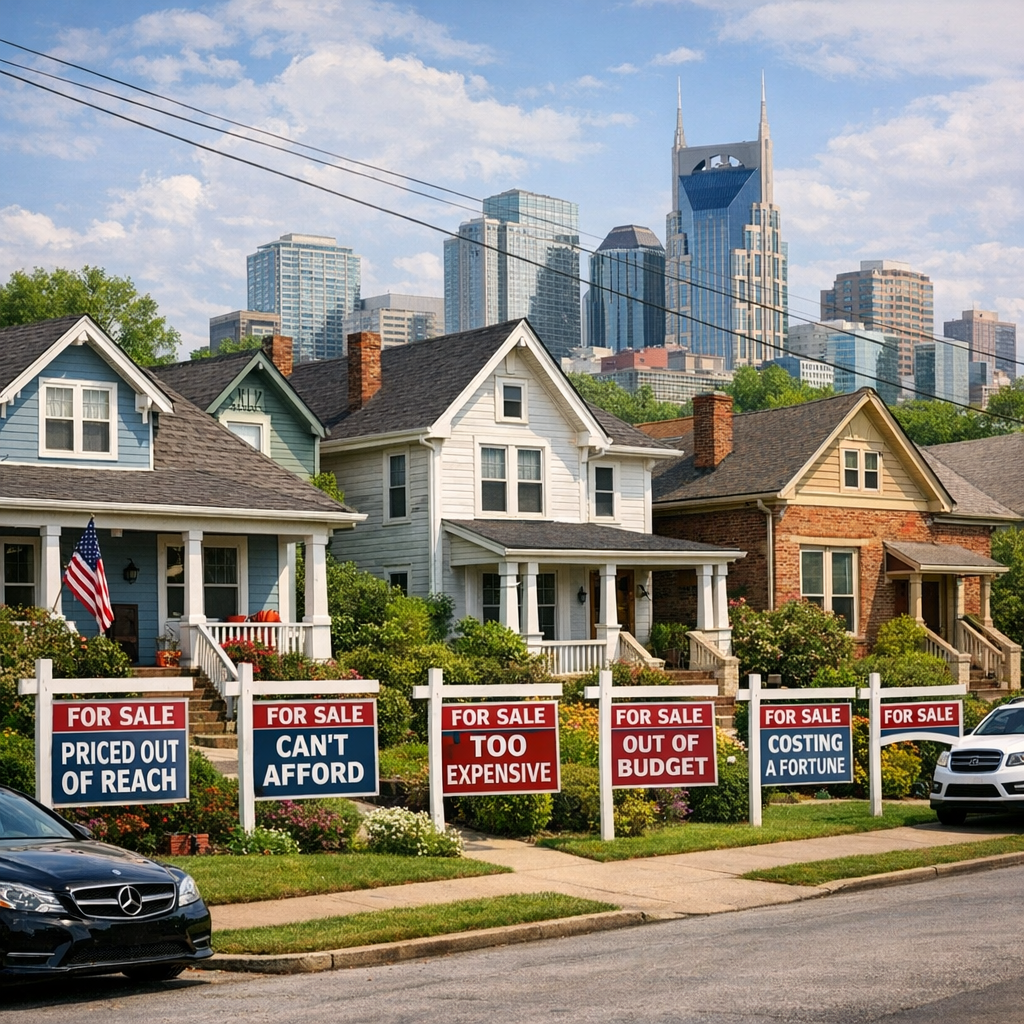
I grew up in East Nashville. My family’s house was modest—a small yard, weathered siding, front porch where dusk meant kids’ laughter. Neighbors became like siblings, sharing what we had, building community. As I’ve walked those streets these days, I see new developments, manicured lawns—but also vacancy signs, residents uprooted by soaring prices. That dream home is no longer within reach for many of our neighbors.
The Cost of Losing Place
A Vanderbilt University poll confirms what feels obvious walking through my old neighborhood: 82% of Nashvillians believe they can’t afford to buy a house in Davidson County. Nearly 70% say homeownership is out of reach. Families who have held homes for generations are now priced out. Young people who grew up here feel forced to move to make ends meet. The social fabric—relationships, trust, long ties—begins to tear when roots must be abandoned.
Why It’s Not Just Rent or Mortgage
It’s everything else: property taxes, zoning that allows only large single-family homes, high utility bills, spotty transit that means more gas, more wear on cars. Even when homes are built or preserved, many go to luxury or high-end buyers. Affordability isn’t only about income, it’s about what local government, neighbors, and developers are willing to imagine and build.
Stories From the Ground
I spoke with people who now live three to four towns away, commuting hours back just to visit family, or staying only on weekends because their jobs or spouse’s work brought them closer to affordable housing. One couple told me that a “cheap” apartment meant sacrificing safety or comfort—shared walls so thin they could hear arguments, no heat in winter, no air-conditioning in summer.
Neighborhood Voices: What Locals Want
- More housing types: duplexes, tiny homes, accessory dwellings so long-standing folks can stay.
- Transparent zoning reform: so changes are clear and equitable.
- Tools for the middle class: often forgotten in housing policy despite struggling to stay in place.
- Strong transit and infrastructure: shorter commutes mean staying closer to loved ones, making local schools and businesses more viable.
- Community input: those who live here need voice in decisions about their streets, their homes, their future.
What Could Help—and What We Can Do Together
First, Metro and state leaders could more aggressively fund preservation of existing affordable housing alongside incentives for new housing of varied types. Second, strengthening tenant protections and rent control floors where possible—so renting isn’t always the riskier option. Third, zoning reform to allow smaller, more diverse housing that fits multiple income levels without displacing anyone. Finally, investing in transit and infrastructure to reduce the cost of everyday life.
Holding on to What Nashville Should Be
This city—this place—thrives because people stay, because roots run deep, because generations overlap. Nashville isn’t just a skyline, music venues, tech jobs. It’s kids becoming elders, neighbors that watch for each other’s mail, churches and corner stores, homecooked food and loud laughter. Housing affordability isn’t just an economic issue—it is a moral, human one. If enough of us demand that our leaders protect what makes Nashville home, maybe we won’t just watch our neighborhoods change—we’ll help make sure they stay ours.