

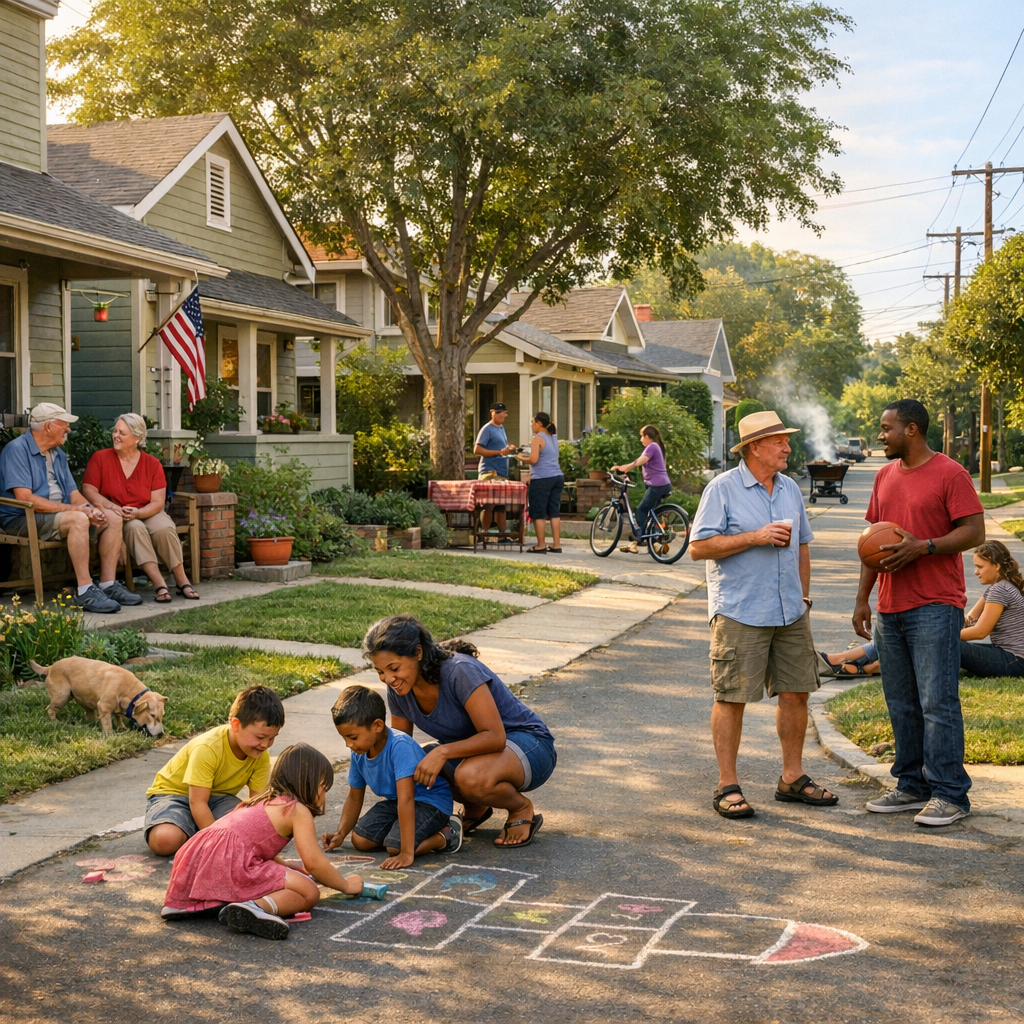
My name is Benjamin Lopez. I grew up walking the tree-lined streets of East Nashville, watching neighbors share front-porch conversations, local shops humming, and families—some for generations—working hard to just stay here. But in the last few years, I’ve watched this city I love transform. Buildings rise. Rents soar. Friends leave. And through it all, one question grows heavier: who gets to call Nashville home?
Not Just Numbers—It’s Personal
The issue isn’t just that housing is expensive. It’s that affordability is unraveling communities. Nashville’s latest reports show nearly half of renters spend more than 30% of their income just on housing, and many spend more than half that much. Black residents face such pressures most deeply—poverty rates for African Americans in Davidson County remain well above the citywide average, compounded by unemployment, wage gaps, and growing displacement.
Our City’s Promise vs. Our Reality
Nashville’s leadership has acknowledged the crisis through policies like the Unified Housing Strategy, which aims to guide the city toward more equitable housing outcomes. These efforts represent a tangible commitment—but for many, genuine change still feels just out of reach. City plans matter—but they must match what people are experiencing in their homes, their neighborhoods, in their day-to-day lives.
What Needs to Happen
- Strengthening protections against displacement—especially in historically Black neighborhoods facing rapid redevelopment.
- Supporting housing diversity, not just through construction of affordable units, but zoning policies that allow smaller homes, shared housing, and different ownership models.
- Ensuring that people with lived experience—renters, longtime neighbors—are part of the decision-making table.
- Integrating transportation, schools, parks, green space so that affordability means more than shelter—it means a quality of life.
What’s at Stake
If we don’t act, Nashville risks becoming a city where those swept aside are the very people who built its character: communities of color, working families, artists, service-workers. Places like Edgehill and Cleveland Park show us that growth without care can erase history and break bonds that were never just about bricks and mortar, but about stories, culture, identity.
What We Can Do Together
Community action matters. Vote for city council members who prioritize affordability. Support grassroots groups like Save Our Nashville Neighborhoods (SONN) that help neighbors understand rezonings, zoning changes, and fights for affordable housing. Talk with your neighbors. Write letters. Attend meetings. Show up.
Nashville can be a place where growth lifts everyone, not just a few. Where new buildings don’t push out old souls. Where affordability isn’t a stigma, but a right. I believe in that Nashville. It’s the one worth fighting for.