

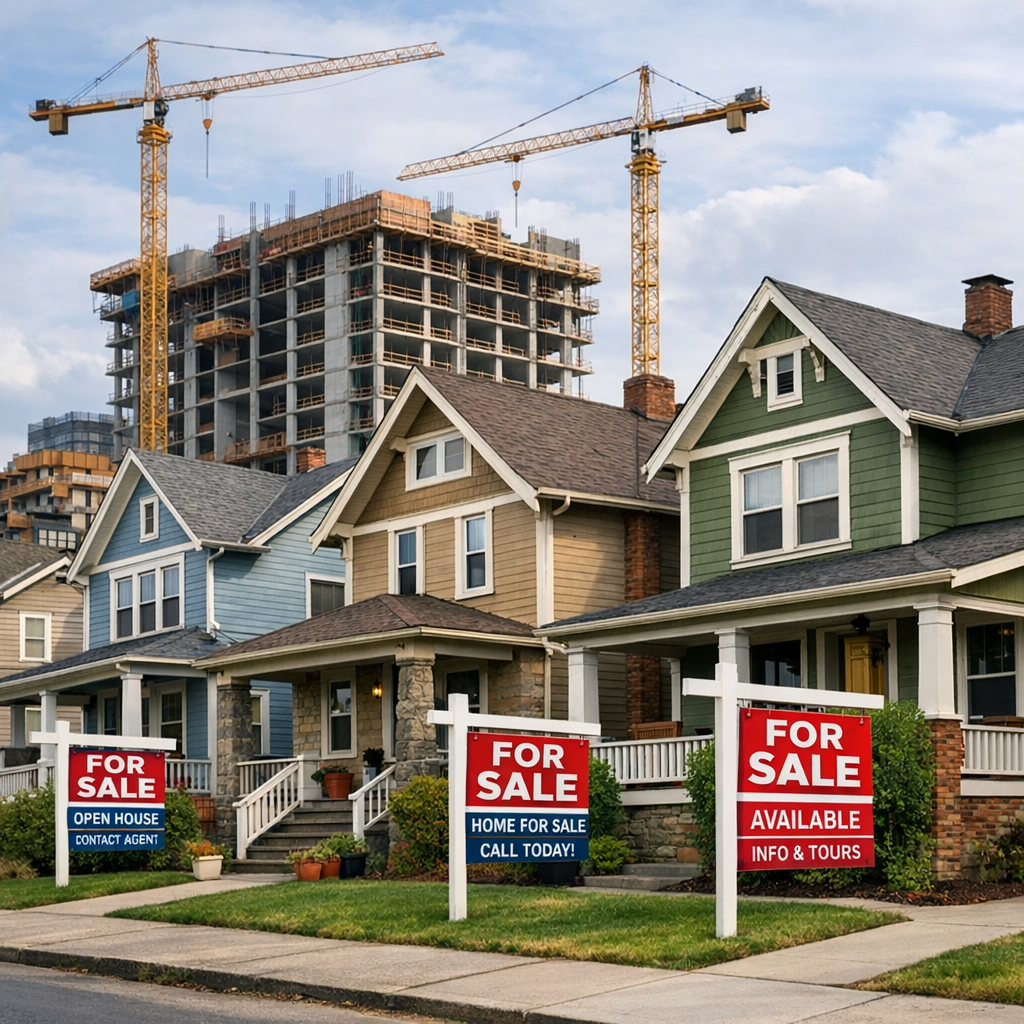
What it feels like when ‘home’ starts to disappear
Every morning, I drive through neighborhoods where I grew up noticing subtle changes: way more “For Sale” signs, construction blocking sidewalks, familiar faces replaced by strangers. Nashville’s growth is visible—but it’s also deeply personal. Homes, friends, and memories are slipping away under the pressure of displacement.
Beyond rooftops and property values
This is about more than inflation, real estate data, or city planning meetings. It’s about sense of belonging. I think about the old bakery on my block that closed when rent tripled. I remember the single mother next door who moved because she simply couldn’t stretch her paycheck any further. Her kids’ laughter—once echoing through the hallway—suddenly silenced. These aren’t just stories. They’re windows into what it means when people you count on aren’t there anymore.
Economic tension meets cultural roots
As a city, Nashville is booming—and that isn’t bad in itself. New jobs, new restaurants, more vibrancy. But for many, the cost is isolation. Black and Hispanic families, low-income folks, young artists—those without inherited wealth—are the most vulnerable. They’re the ones uprooted across ZIP codes, often to places where they feel less seen, less heard, and far from where their stories took root.
The tradeoffs we accept
We gain fancy skyscrapers or trendy bars, and we lose open front porches, corner stores, familiar accents in the café line. The labor that built our culture—the musicians, the baristas, the caretakers—is often the first to feel the pressure. I see what is at stake: traditions, daily rhythms, memories that stitch people together.
What it could mean to stay—and to rebuild
Staying isn’t just about physical permanence. It’s about choice—and about having a voice in what changes around you. To me, that means stronger protections for tenants, preserving rent-controlled and affordable housing, ensuring neighbors have input when zoning or transit plans affect their lives. It also means finding new ways to anchor culture—public art, food markets, local festivals—that pay homage to histories that refuse to vanish.
Hope in what’s still possible
I believe in a Nashville where a new neighbor and someone who grew up here are both respected, where identity isn’t defined by one ZIP code. As I talk with folks who have stayed and those already gone, I hear that same longing: a wish to be rooted without being trapped, to grow without erasing the past. Maybe that’s what it means to call a city home.
Benjamin Lopez is a community member based in Nashville who writes about housing, culture, and belonging.