

By Michael Williams
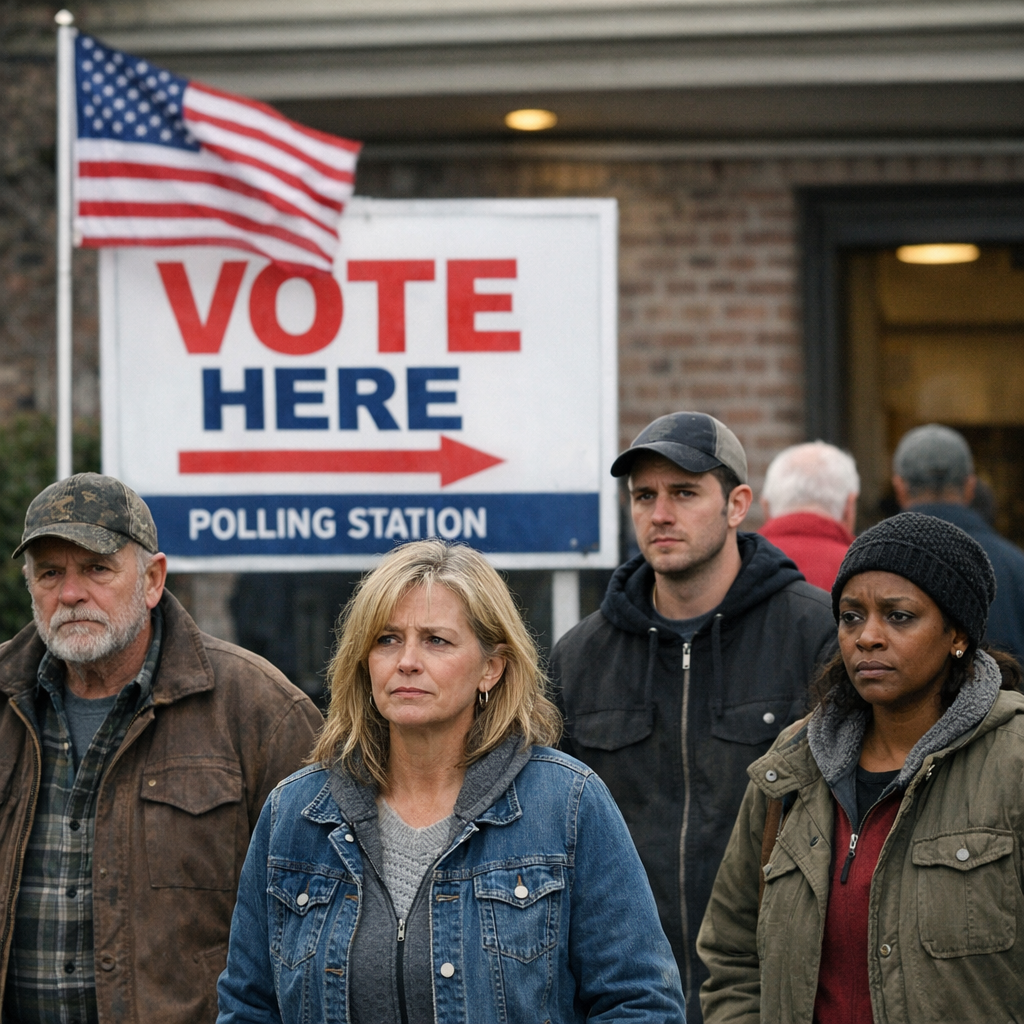
A wave of economic anxiety has become central to the U.S. political landscape — not just in Washington, but in homes and voters’ minds nationwide. As indicators such as inflation, housing costs, and health care prices weigh on daily life, these concerns are now influencing elections, presidential approval, and broader public sentiment.
How People Feel About the Economy
Recent national polling reveals that only about three in ten Americans rate the economic conditions in the country as “excellent” or “good,” while the majority describe them as “fair” or “poor.” Economic worries—chiefly around housing, health insurance, and consumer goods—top the list of concerns stretching across party lines. Contributors note that rising costs are more palpable than official reports may suggest.
Political Consequences
Unhappiness with the economy is fueling disapproval of current leadership. President Donald Trump’s approval ratings have slid across several states, especially among independents and younger adults. Meanwhile, more voters report that domestic issues–especially cost of living and affordability–matter more in upcoming elections than foreign policy or global conflicts.
Voters’ Priorities: What’s Riding High
- Inflation and rising prices for food, rent, utilities, and health care have become a daily hardship for many.
- Housing affordability placement on the ballot: long waits, high down payments, and pricing beyond many incomes.
- Trust in government’s ability to address these issues is slipping, but voters still expect action—especially at the federal level.
Longer Term Impacts
These economic concerns are not tied to the latest quarterly report or stock market dip. They reflect a broader, ongoing trend of mismatch between official indicators and lived reality. As political candidates make their cases, those who address the cost of essential needs directly may play better in places where money struggles are common.
For readers in Nashville and Tennessee, these concerns echo locally—what people hear in people who line up for groceries, wage pressures, or strain over rent. What happens nationally — tax policy, consumer relief, inflation control — often ends up reshaping lives here.