

By Emily Johnson
Recent global developments aren’t just headlines in far-flung places — they echo all the way to Nashville, affecting trade, immigration, policy, and even how we see ourselves on the world stage. Two issues stand out right now: the shifting landscape of global displacement, and rising tensions in the South China Sea.
Global Displacement: A Record of Resilience — and Urgent Gaps
According to the United Nations High Commissioner for Refugees, at the end of 2025 there were about 117.8 million people forcibly displaced worldwide — people pushed from their homes by conflict, persecution, or disaster. That’s a slight decline from the highs of previous years, yet it illustrates a long-term crisis that isn’t going away. Many of those displaced are refugees who’ve crossed borders, but most remain within their own countries, often with severely limited access to food, education, and basic services. Global recovery efforts are struggling to keep pace, especially in countries already stretched thin.
What this means for Nashville:
- Immigration and asylum policy: Local services like legal aid, resettlement organizations, and schools need to adapt to changing refugee flows and the challenges newcomers face in integrating.
- Foreign aid decisions: U.S. funding supports many of the relief efforts in affected countries. What Washington does — or doesn’t — can shape outcomes thousands of miles away.
- Community ties: As displaced people settle here, we’re reminded of shared humanity, and the moral duty we hold toward those fleeing danger.
South China Sea: Strategic Waters and Far-Reaching Stakes
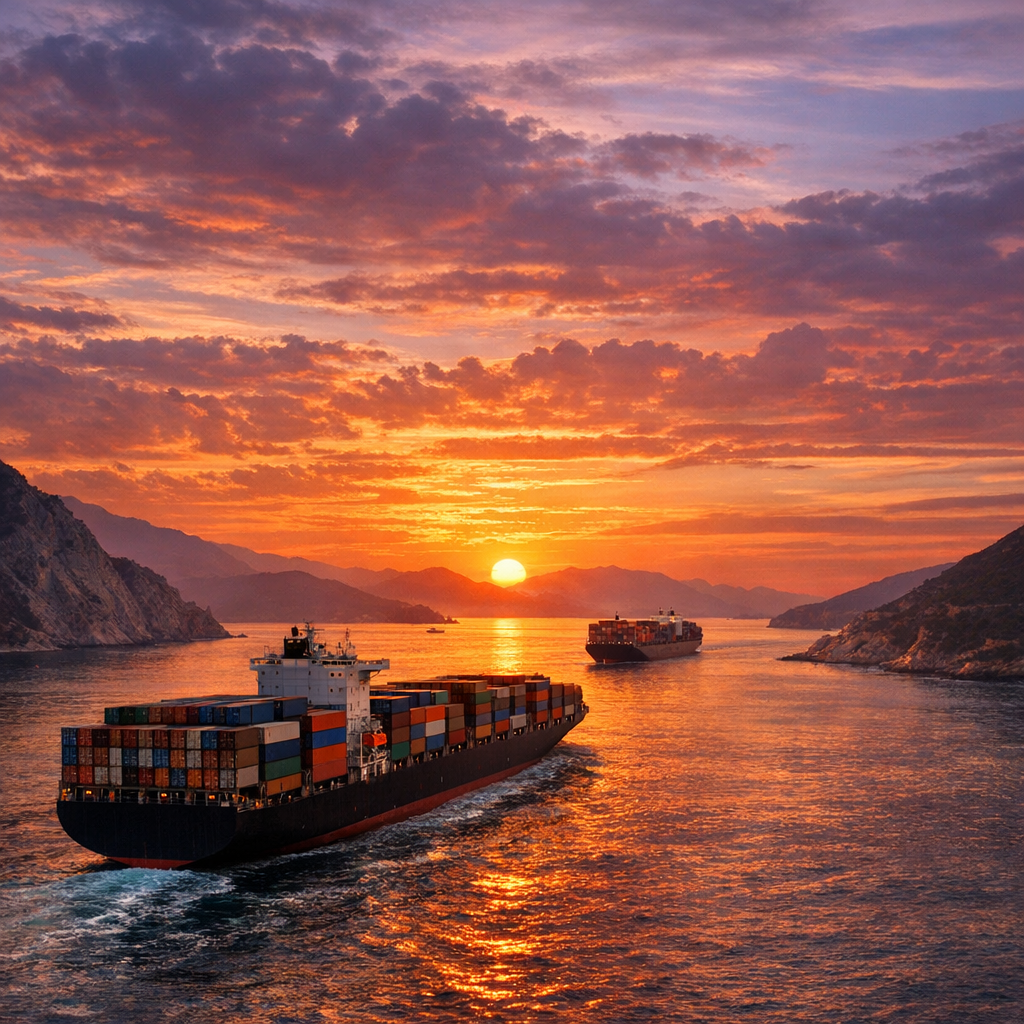
The South China Sea is emerging as one of the most consequential maritime regions in global geopolitics. Trillions of dollars’ worth of trade pass through its straits each year, including through the Taiwan and Malacca Straits. What happens here—whether escalated military actions, coercive tactics, or legal disputes—can ripple out to influence energy markets, supply chains, and U.S. foreign policy.
How it connects to ordinary lives in Nashville:
- Supply chain disruptions: Many goods in stores here arrive via shipping routes that cross the South China Sea. Tensions there could mean delays or higher costs for electronics, energy, and raw materials.
- Economic stability: Trade interruptions and global instability tend to ripple back through markets, trade partners, and investments — potentially affecting jobs in export-related sectors.
- Diplomatic priorities: U.S. strategy in Asia increasingly considers alliances, military positioning, and trade policy. These areas often influence national budgets and foreign policy decisions that shape our national security and economy.
Why Looking Beyond Emergencies Matters
What ties these trends together is the need for solutions that go beyond reaction. For refugees, this means helping those displaced across borders or inside their countries to rebuild lives — safe homes, education, work opportunities. For nations facing maritime tensions, it means strengthening regional dialogue, respecting international legal norms, and investing in peaceful conflict resolution. In both cases, sustained attention and cooperation—local, national, international—are essential.
In Nashville, we may be far from sea dispute maps or refugee camps, but we share the consequences—and the responsibility. How we respond at the local level can reflect broader values and shape outcomes in a connected world.