

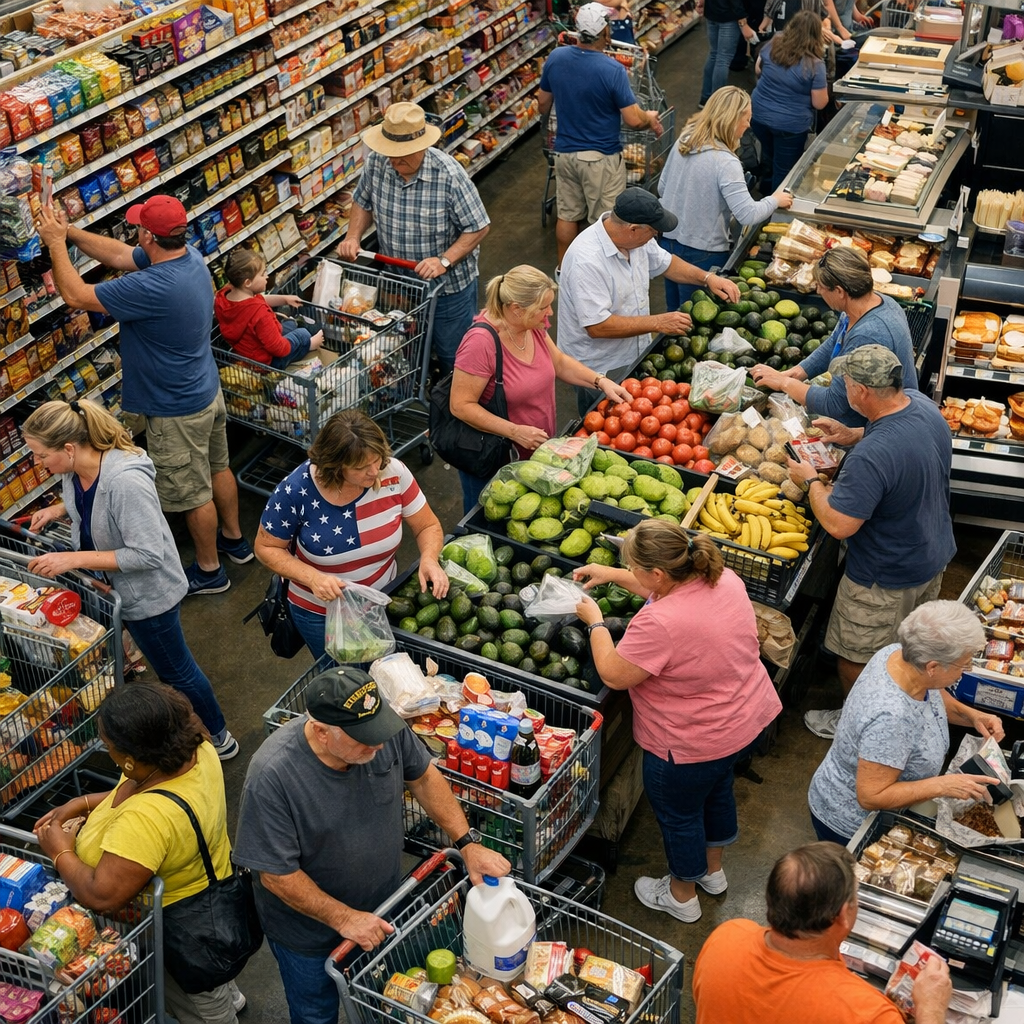
Here in Nashville—and across the country—many people feel the economic picture has become tougher to swallow. Recent surveys show a majority of Americans continue to view national economic conditions as only “fair” or outright “poor,” even as growth remains modest and inflation lingers.
How people are feeling
According to recent data, just about one‐in‐four Americans describes the economy as “excellent” or “good,” while roughly 70% say things are in the “only fair” or “poor” categories. Among Republicans, more view things positively than among Democrats, but even within GOP ranks the optimism has slipped compared to earlier this year. Meanwhile, Democrats consistently rate the economy much more negatively. These results are largely unchanged from earlier in the year.
Key economic pressures driving concern
Families are still grappling with costly essentials. Healthcare, housing, food, and energy—especially gasoline and electricity—are frequently cited as the highest concerns. Inflation remains stubborn, eroding purchasing power even where wages have ticked upward.
The job market offers mixed signals. While employment has broadly held up and job gains continue, the pace of hiring has slowed. Unemployment has crept up slightly, and many people report feeling squeezed by higher prices for everyday goods. Some sectors, particularly housing and energy‐sensitive industries, are under strain.
Political implications ahead of the midterms
With the midterm elections coming, economic opinion is now front and center in voter decision‐making. Views of how the current president’s policies have impacted the economy are deeply split by party: most Republicans believe those policies have helped or had little effect; most Democrats believe they have made things worse. Meanwhile, neither party has a decisive advantage on economic policy—voters are evenly divided in agreement with party positions on the economy.
This climate of economic dissatisfaction places pressure on incumbents and challengers alike. Promise of relief—whether through health care reform, housing affordability, or energy cost regulation—is likely to feature heavily in campaigns. Across local conversations in Nashville, people are asking not just “What’s being done?” but “When will I feel better off?”
Outlook and what to watch
Economists warn that inflation remains elevated and likely won’t return to targeted levels rapidly. Energy prices are volatile, and global supply‐chain woes could reemerge. But there are some rays of hope: moderate GDP growth, some wage gains (though not always adjusted for inflation), and signs that government efforts are focused on easing burdens where possible.
In sum, the economic mood in the U.S. remains cautious. For many Americans—including here in Nashville—the cost pressures are real, optimism is tempered, and political implications are immediate.