Glacial Collapse and Floods in the Himalayas: Global Impact and Lessons Learned
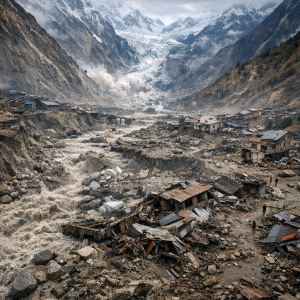
A recent glacier collapse triggered devastating floods in Nepal and Tibet—hundreds are dead or missing, and international aid is underway.


A recent glacier collapse triggered devastating floods in Nepal and Tibet—hundreds are dead or missing, and international aid is underway.
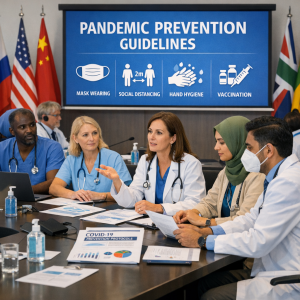
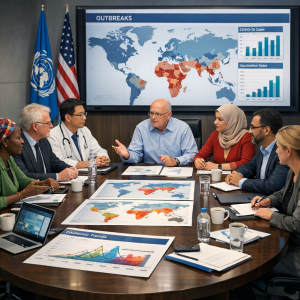
The WHO’s new agreement lays out how countries are working together to improve readiness for future health threats and ensure fair access to tools.
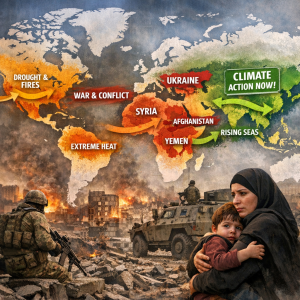
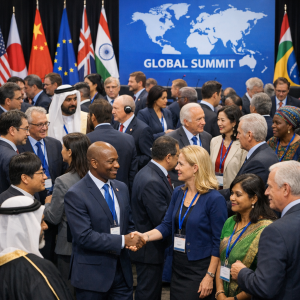
A look at the rising number of global conflicts and efforts towards climate cooperation that shape our international landscape.
From hunger to hostility to global agreements, these enduring stories offer insight into ongoing challenges and change beyond headlines.
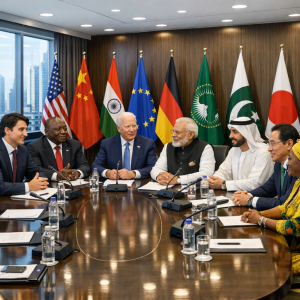
Global climate efforts are advancing—but major gaps remain between promises and practice. What nations must do now to avoid worsening risks.
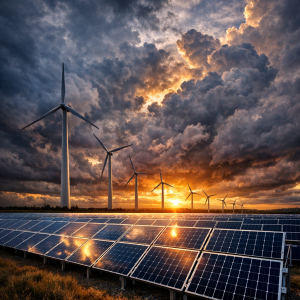
Worldwide, renewable energy is now producing as much electricity as coal, led by solar PV’s surge—impacting emissions, policy, and energy security globally.
WHO and partners are reshaping the international health system to better serve vulnerable countries—aligning finances, roles, and priorities globally.
From diplomacy to climate, AI to economic shifts—an overview of ongoing global trends deeply affecting lives everywhere.
From energy transitions to rising techno-authoritarianism, global forces are reshaping how nations govern, innovate, and vie for influence.
Despite modest progress, global hunger remains high—conflict, climate shifts, and economic pressures threaten efforts to reach zero hunger by 2030.
Global health leaders are pushing for stronger systems, equitable access, and shared readiness—before the next global health crisis hits.
From AI demand to chokepoints in supply chains, chips are shaping geopolitics. What’s shifting, and how countries are responding.